How calcium, vitamin D can save you from broken bones: osteoporosis and osteopenia explained
- If your bones are weaker than normal for your age, you could have osteopenia, more common and less serious than osteoporosis
- Risk factors include being female, mature, having a low body weight and a diet low in calcium or vitamin D
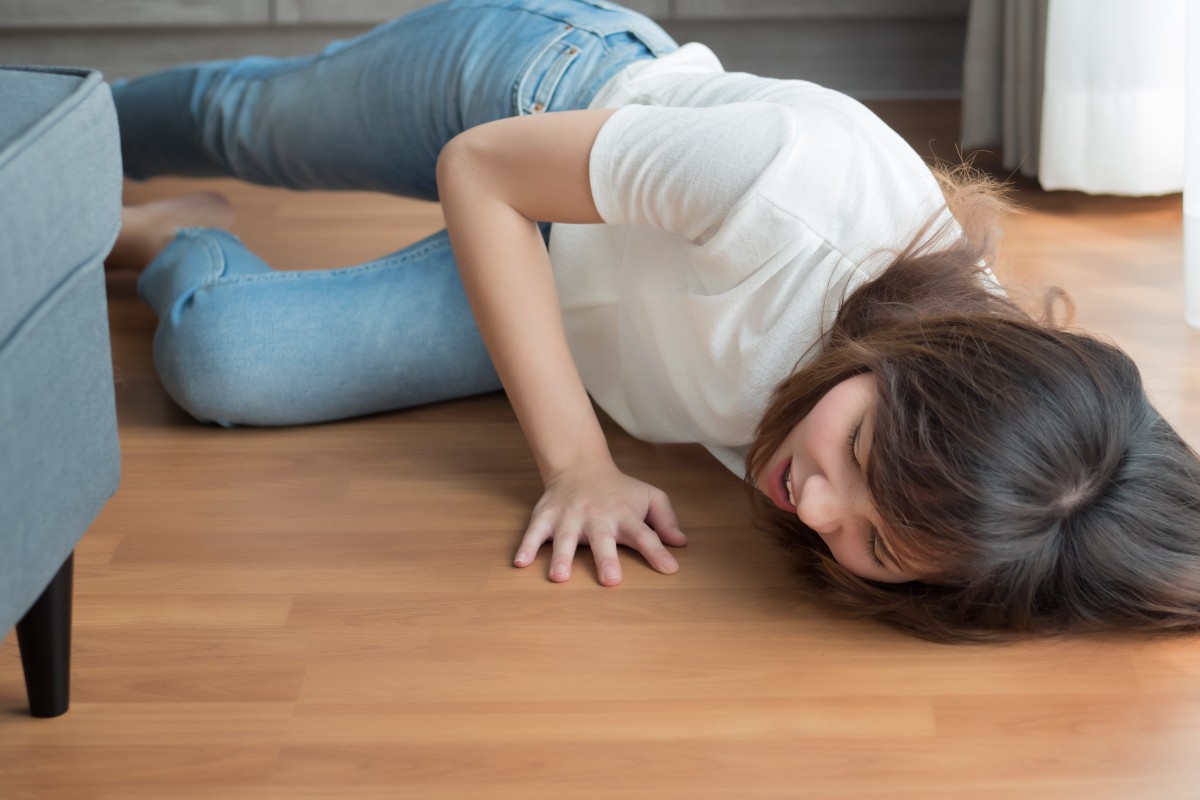
When I lost my balance and tipped against an upholstered seat, I never imagined I’d break a rib. But I did. The pain was instant.
I let it heal and didn’t think about it until a few months later when I registered with a gynaecologist and had to fill in a new-patient form. Have you recently suffered any bone fractures? I ticked the box.
What did you break? the doctor asked when he saw me. A rib, I replied, and explained how.
I shouldn’t be breaking bones that easily at my age (50), he said, but it is not uncommon that women my age do. He sent me for a bone density scan, a special type of X-ray that measures bone mineral density.
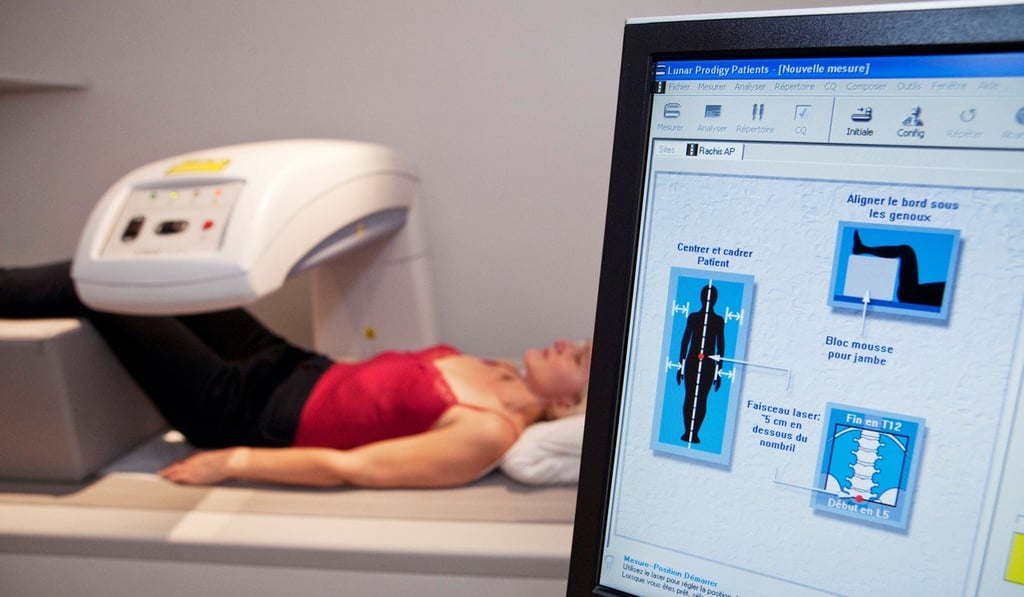
The scan revealed that at the neck of my femur, my hip, the T score was -1.4; my spine read -1.6. I looked blank when the doctor delivered the numbers. It means you are suffering with osteopenia, he said.
Dr Eddie Chow Siu-lun, past president of the Osteoporosis Society of Hong Kong, describes the condition, and how it differs from osteoporosis.