The real meaning of dreams: new science on how our brains work, including why dreaming is like art
- Long-held Freudian beliefs about dreams are now being challenged by a new group – neuroscientists who are involved in sleep research
- Some say dreams have no meaning at all; others believe they offer the dreamer a different perspective on themselves, like a piece of art

When a psychologist analyses a dream you’ve told them, they are using psychoanalytical techniques that have their foundation in those developed by Sigmund Freud at the close of the 19th century.
According to Freud, dreams are representations of events or desires that occurred in childhood – usually related to sexuality or sexual development – that are unacceptable to our conscious minds, and therefore repressed or denied during our waking state. When we sleep, these events are made manifest in our dreams, in a distorted fashion that disguises their true nature from us, Freud said.
Freud also believed that if a psychologist can reveal the concealed meaning of the dream – the event or desire that it represents – to a patient through psychoanalytic techniques, what the patient discovers can aid recovery from mental illness.
Freud’s conclusions have long been disputed because they are unscientific – he conducted very few experiments to back up his claims, and mainly formed his theories by studying his own dreams. It is also impossible to prove his theories true or false, something that is necessary if something is to be described as scientific. But even so, his methods, or variations of them, are still in use, because they sometimes do have a beneficial effect on patients with mental health problems.
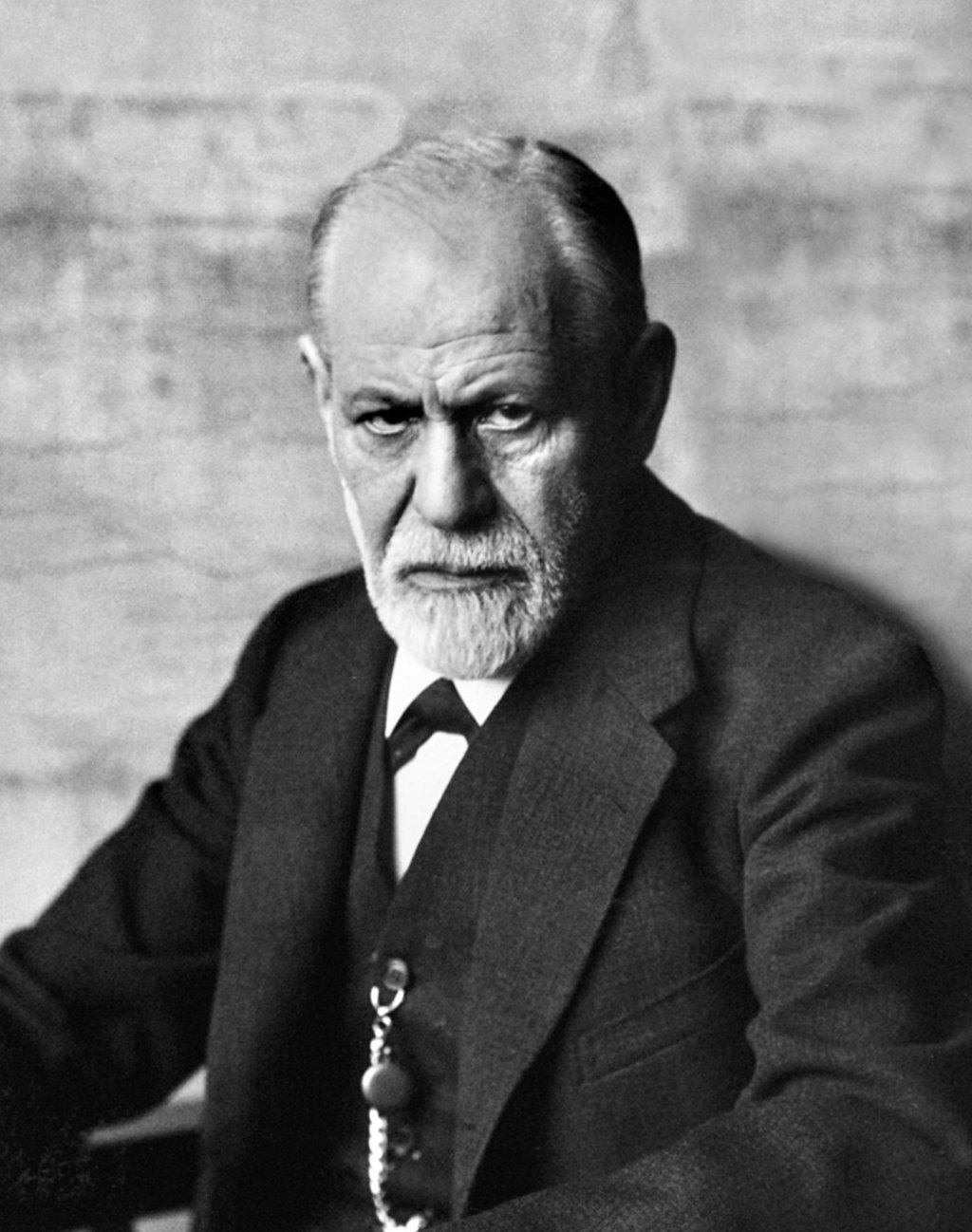
Now Freud’s theories about dreams are being challenged by another group – neuroscientists who are involved in sleep research.