Reusable water bottles: glass, metal or plastic – which is healthiest for you, and best for planet Earth?
- No matter their composition, reusable water bottles help cut down on single-use plastic. But how healthy are they?
- Experts give their opinions on which eco-friendly material is best for us
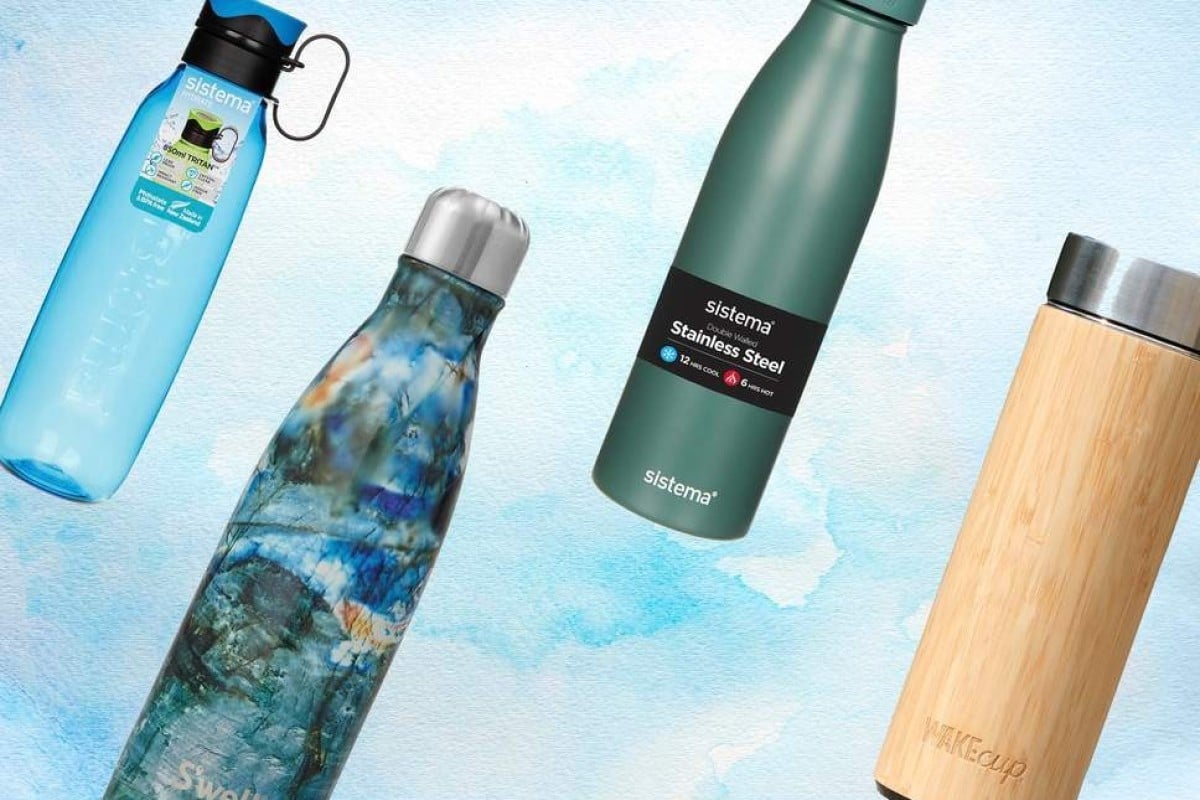
Reusable water bottles make staying hydrated easy, and cut down on disposable plastic use.
There’s little wonder that they’re such big business. A May 2019 report from MarketWatch valued the industry at US$239 million and predicted the sector will reach a value of US$374 million by 2025.
Most bottles are made of one of three materials: plastic, metal or glass. We consulted some experts for their take on the materials’ safety and sustainability.
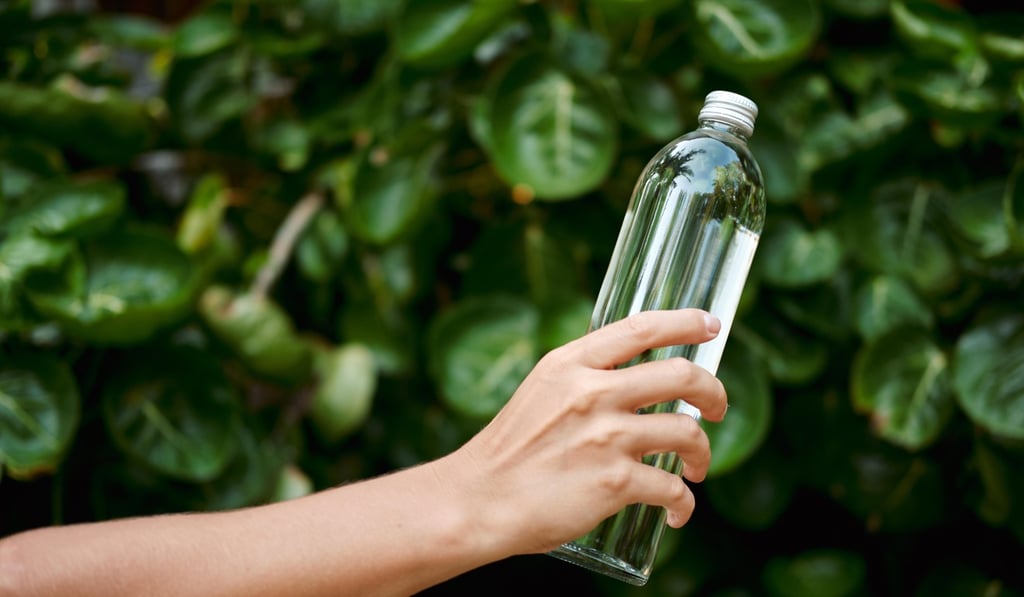
1. Glass
“Glass would be the best [safety-wise] if it didn’t break,” says John Swartzberg, a clinical professor at the University of California at Berkeley School of Public Health. Because glass is made of natural materials, there is no danger of inorganic chemicals leaching into liquids when the bottle is heated or cooled.