Food nutrition labels: how to know foods high in fat, sugar or salt, and make healthier choices
- Experts tell us the best ways to cut through the marketing speak and confusing matrix of numbers on some food product labels, and what to look for
- For high blood pressure, pay more attention to sodium, while if you have diabetes, keep an eye on carbohydrates
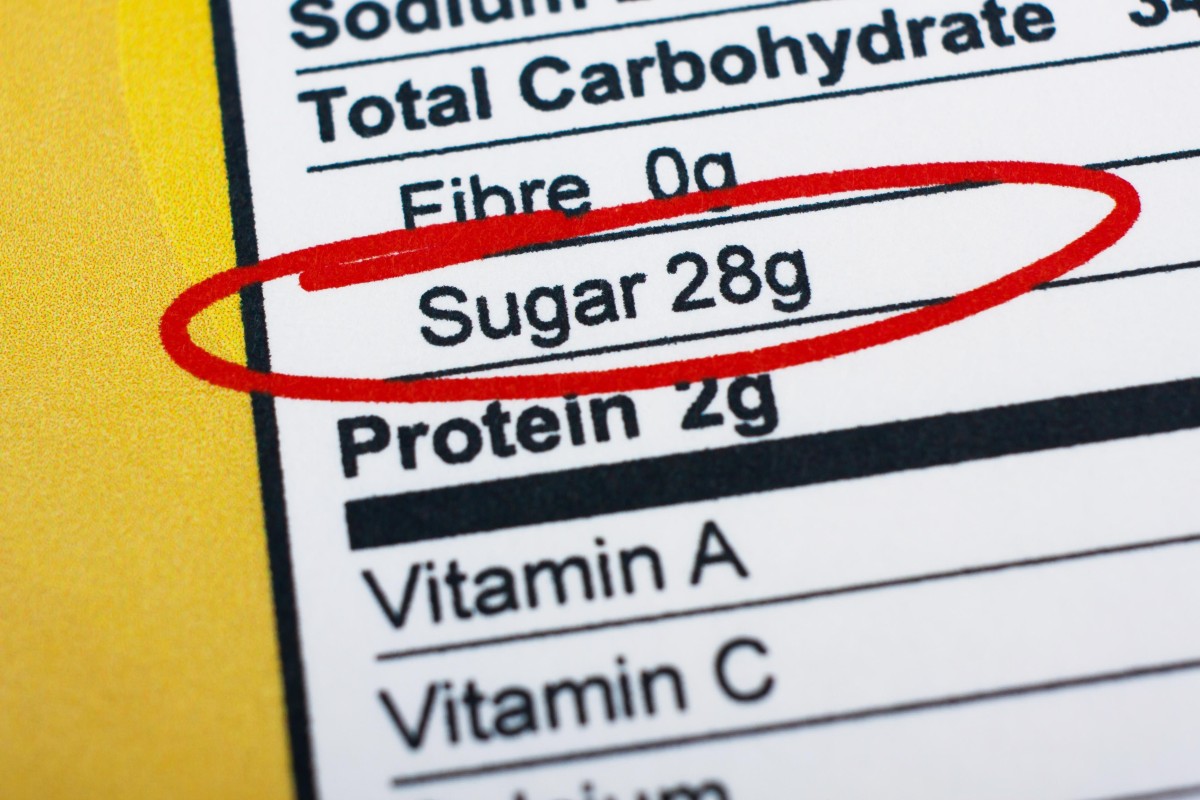
Nutrition labels are designed to help us make healthier choices at the supermarket. They’re affixed to most pre-packaged foods and include information about the product’s nutritional value, including its protein, fat, salt and carbohydrate content.
But as anyone who’s ever used nutrition labels to compare foods knows, making sense of the numbers is a tricky business. How do you know if a food is high in fat, sugar or salt? Which is a better measure: the per 100g or per serve column? And why are Hong Kong nutrition labels stuck on top of foreign nutrition labels on imported goods?
Hong Kong’s Nutrition Labelling Scheme, which was introduced in 2010, requires most pre-packaged foods to carry a nutrition label that lists the amount of energy contained in the product plus amounts of seven nutrients: protein, total fat, saturated fat, trans fat, carbohydrates, sugars and sodium. It’s known as “1+7”. One exception that does not require such a label is a food product with annual sales of less than 30,000 units.
If a claim is made about any other nutrient, food manufacturers must also list this information on the nutrition label. “If they claim the product is high-calcium or high-fibre, for example, they must include how much calcium or fibre the product contains on the nutrition label as well,” says dietitian Carmen Lo Ka-man from Premier Medical, a medical practice in Central, Hong Kong.
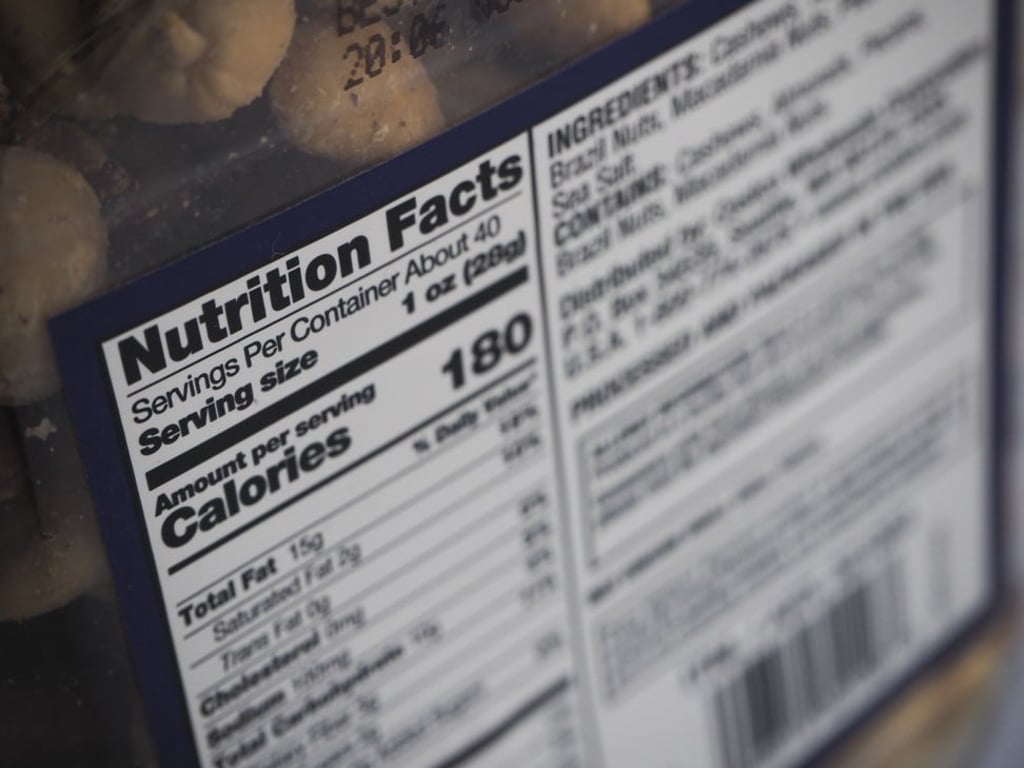
As for the common practice of sticking Hong Kong nutrition labels on top of foreign labels, Lo says it’s simply to ensure consistency and adherence to local labelling laws. “We need to include energy [calories] plus seven nutrients, whereas other countries have different systems,” she says. “That’s why we need to put the Hong Kong label on top.”