Do we have free will? What neuroscience can tell us about our decision-making abilities
- A neuroscientist at Cambridge University says that all our decisions are made by the brain without us consciously knowing why
- As we age, she says, our brains are more likely to fit information into a pre-existing pattern rather than take on new beliefs – a matter of energy efficiency

Do we have free will? That question was once the preserve of philosophers and theologians, but is now a subject of inquiry for neuroscientists.
With the aid of advanced functional magnetic resonance imaging, or fMRI – scans that can measure brain activity in detail – neuroscientists are confident that they can answer the question.
What exactly is free will? Whenever we make any kind of decision – whether it’s a trivial one, like what jacket to wear, or a more important one, like what university to attend – we assume that our mind weighs the options, decides a course of action and instructs our brain to carry it out.
Neuroscientists, however, say the physical brain is not the workhorse of the mind, but in fact the controlling force behind every decision we make.
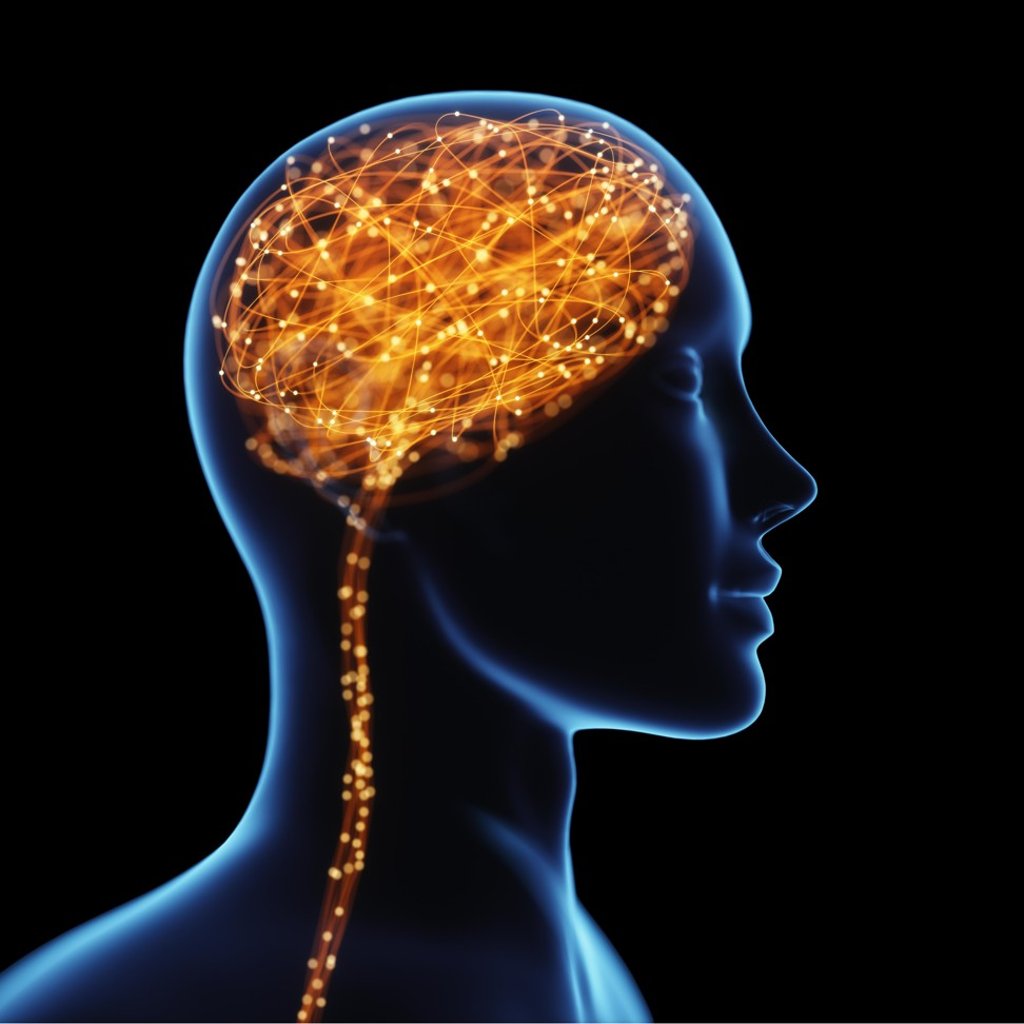
According to Dr Hannah Critchlow, a neuroscientist at Cambridge University in Britain and author of the book The Science of Fate, all our decisions are made by the brain without us consciously knowing why.