Advertisement
Wellness
LifestyleHealth & Wellness

Sorry, meat lovers: new research confirms health risks, contradicting optimistic 2019 report

  • New study examined whether meat eaters are more likely to get sick and die, whereas previous one reviewed existing research for evidence of meat-eating’s risks
  • A significant relationship exists between illness and death and people’s diets decades earlier

2-MIN READ2-MIN
Eating red and processed meat is linked to higher rates of heart disease and death, says a large new study. Photo: Shutterstock
Tribune News Service
Eating red and processed meat is linked to higher rates of heart disease and death, says a large new study – a finding that would be met with a big “duh” if it didn’t come on the heels of a controversial report suggesting people don’t necessarily need to eat less meat.

The new research, published in the journal Jama Internal Medicine, found that eating two servings of red meat or processed meat weekly is associated with a 3 per cent to 7 per cent higher risk of cardiovascular disease, such as heart attack and stroke, and a 3 per cent higher risk of death from all causes.

Eating two servings of poultry weekly was also linked to higher heart disease risk, but not overall mortality, said the study, conducted at Feinberg School of Medicine at Northwestern University in the United States. The study’s authors urged more research on poultry before making any recommendations on intake because the study didn’t look at how the food was prepared, such as whether it was grilled or fried.

Advertisement

Fish was not associated with ill health effects.
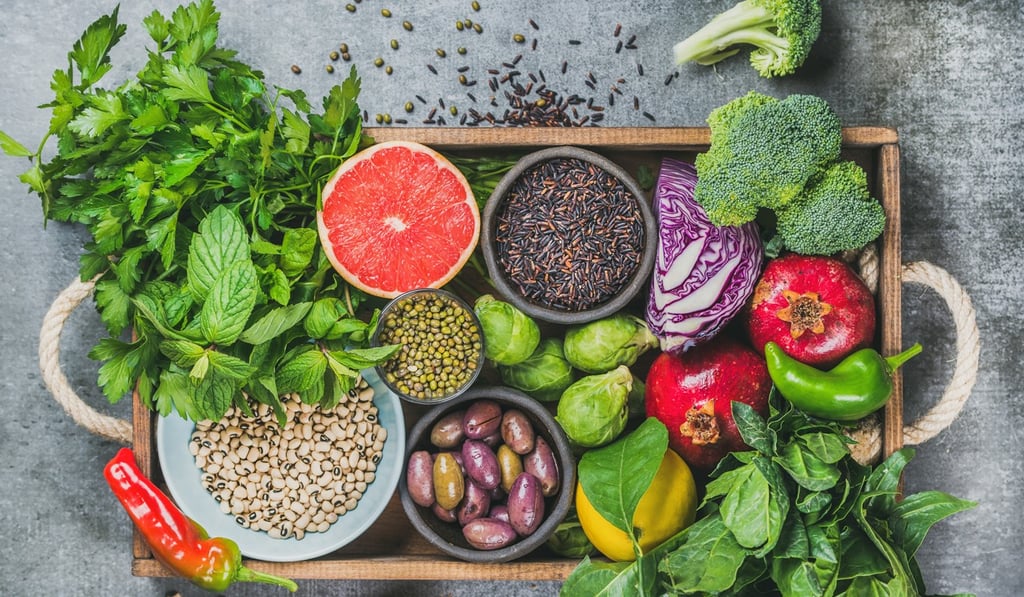
The senior author of the new study urged people to eat red and processed meats in moderation and consume more fruit, vegetables and whole grains (above). Photo: Shutterstock
Advertisement
The findings are consistent with prior research that has linked meat with poor health outcomes, but can feel like whiplash given that a report, published in October in the Annals of Internal Medicine, said there was insufficient evidence to recommend people reduce meat intake. Some public health experts questioned the accuracy of those conclusions and some of the authors were later called out for not disclosing industry funding on other projects.
Advertisement
Select Voice
Select Speed
1.00x