The brain: how it works and the best ways to keep it healthy as you get older
- Neuroplasticity allows the brain to heal and regrow itself; learning new languages or skills helps trigger this and stave off dementia
- Use your brain to keep it operating optimally: eat healthily, exercise, stay hydrated, sleep well, manage stress and stay active
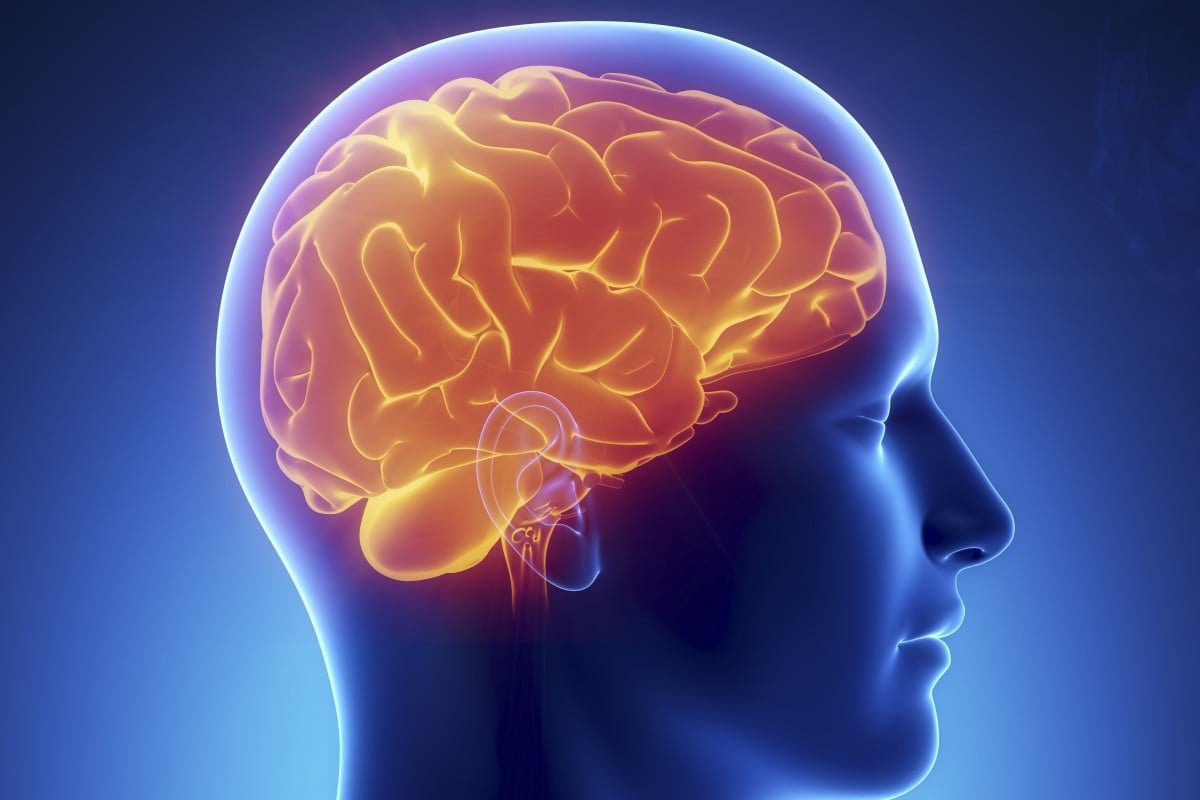
The brain has always held a fascination for Dr Marwan Sabbagh. His father was a heart surgeon, so by the age of eight, he knew he would be a doctor himself. He chose to study neurology – disorders of the brain and nervous system, because “the brain truly is the last frontier in medicine”.
Over the past 20 years, though, neurology has been transformed from a diagnostic to a therapeutic practice and, says Sabbagh, “I’ve been fortunate enough to be a part of those changes.”
Professor Lawrence KS Wong, the former head of the Chinese University of Hong Kong’s neurology division, considers the brain to be “more complicated than any other known structure in the universe”.
“We still don’t understand how the brain processes information or how we learn. You can transplant every other major organ and remain yourself, but you cannot transplant your brain,” Wong says.
For an organ that does not look very exciting on the surface – a grey, jellylike mass that is “easily deformed by touch”, says Wong – it is extraordinary in its ability and its person-to-person uniqueness.