Advertisement
Five tech gadgets for a good night’s rest and why many people in China are too stressed to sleep enough
- Chinese people sleep an average of 6.92 hours a night, less than the seven to nine hours a night doctors recommend, according to a recent study
- The sleep tech market in China is worth nearly US$60 billion a year, and insomniacs are searching for everything from sleep lights to apps to help them rest
2-MIN READ2-MIN

Phoebe Zhangin Shenzhen
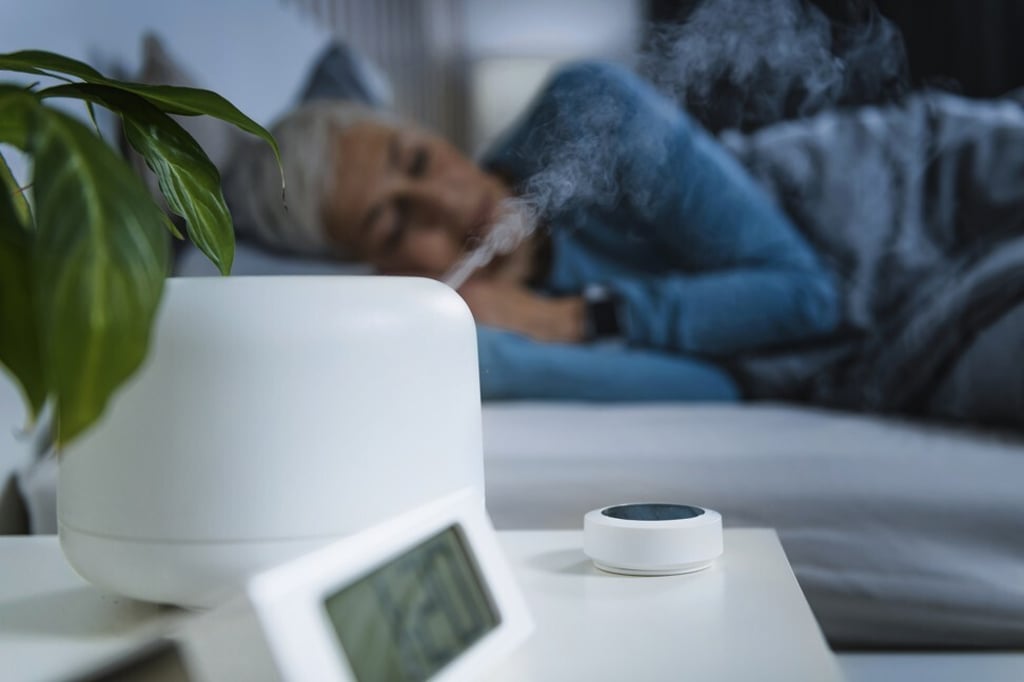
Like many others elsewhere in Asia and around the world, Chinese people don’t get enough sleep – and it is a problem that has spawned a big market in gadgets to help them fall asleep, sleep better or analyse their sleep quality.
Chinese people sleep an average of 6.92 hours a night, less than the seven to nine hours a night doctors recommend, according to a recent study.
While many of those born in the 1970s may be getting just about enough sleep – they average 7.22 hours per night – the generation born after 2000 sleep on average only 6.45 hours a night, the March 2020 study by the Chinese Sleep Research Society and mattress company Xilinmen found.
Advertisement
It also found that Chinese people typically go to bed around midnight, and take a long time to fall asleep – 23.5 minutes on average.
Advertisement
More than a third of respondents to the survey said they have trouble sleeping. That amounts to some 400 million people. The biggest reason they gave for losing sleep is emotional trouble – 46 per cent of them said they felt anxious, some 18 per cent reported being depressed and 13 per cent felt lonely. Work and livelihood pressures were the next biggest cause of insomnia, the study found.
Advertisement
Select Voice
Select Speed
1.00x