Breast cancer: ‘risky’ gene mutations may be harmless, as experts ask for counselling for women with likely predisposition
- Experts call for increased genetic counselling for women with gene mutations associated with increased risk of breast cancer
- Two new studies suggest some genes flagged as ‘risky’ may be inconsequential, yet prompt unnecessary prevention measures

In the quarter century since the watershed discovery of BRCA1 and BRCA2, dozens of other genes have been implicated in hereditary breast cancer.
The thing is, some of the genes barely nudge cancer risk. Even BRCA1/2, dreaded as time bombs, can have harmless DNA variations, or variants that haven’t been studied enough to be classified.
Two ambitious analyses of breast cancer risk genes – a US study that included the University of Pennsylvania, and a British-led international study – help to clarify which ones warrant risk-management strategies, such as increased screening or preventive surgeries, and which ones are probably inconsequential.
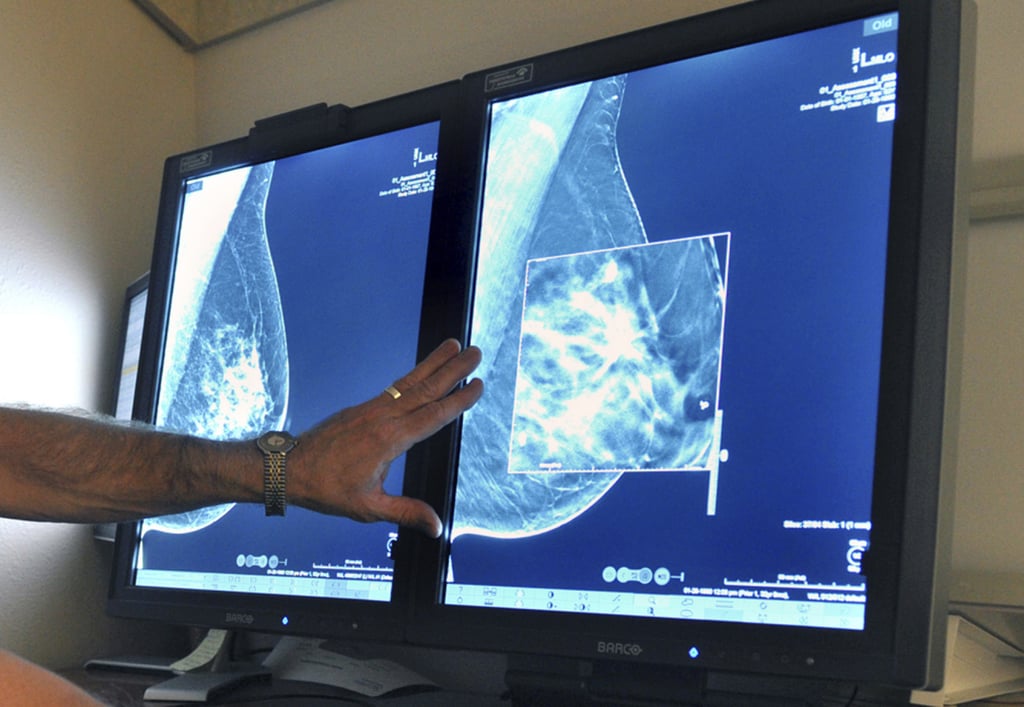
Both analyses, published last month in the New England Journal of Medicine, used previous population-based studies to figure out which faulty genes confer a susceptibility, and how common the flaws are in women in general. The US study looked for changes in 28 genes in 32,000 women with breast cancer diagnoses and an equally large “control” group without cancer. The international study evaluated 34 genes in 60,500 breast cancer cases and an equal number of women without cancer.