Will you develop Alzheimer’s disease? Early signs could be detected in your eyes before symptoms arise
- Scans of the eyes’ retinas can identify key changes in blood vessels which may provide an early sign of Alzheimer’s disease, new research shows
- Small vessels in the retinas may also be linked to other brain diseases, including other types of Alzheimer’s disease, Parkinson’s and certain dementias

Scans of the eyes’ retinas can identify key changes in blood vessels which may provide an early sign of Alzheimer’s disease, according to new research from the University of California, San Francisco (UCSF).
The retinas also offer important insights into how one of the most common genes for Alzheimer’s risk contributes to the disease, the researchers say.
That the eyes can offer a lens on our health is not news. The brain is tightly packed inside the skull, so anything extra in there – additional blood, fluid or growing tumours – increases the pressure in a relatively small space. This can lead to the eyes giving signs of a problem in the skull or even elsewhere in the body.
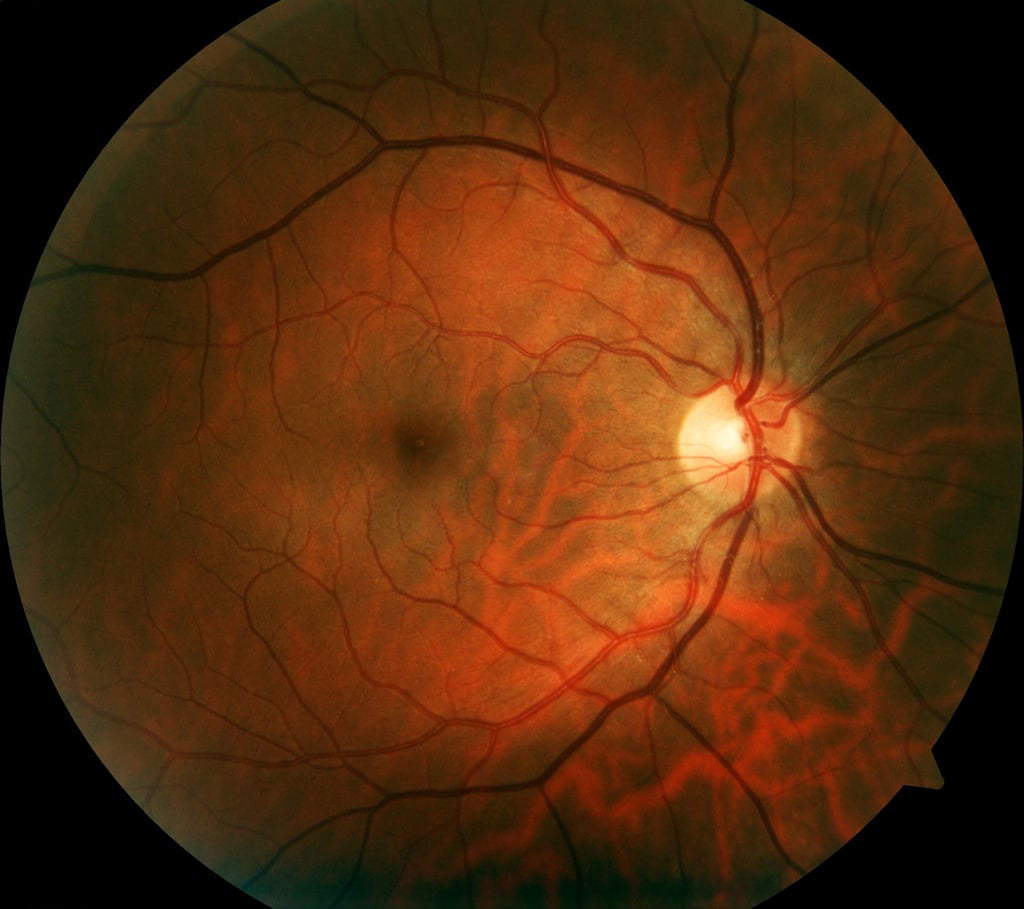
“Because blood vessels in the eye have the same embryo origin, histology and structure as those in the brain, they serve as an incredibly convenient way to assess changes in the retinal blood vessels which could indicate changes in the blood vessels in the brain,” says Andy Meau, a Hong Kong-registered optometrist and director of Central Eye Care.