ExplainerSkin cancer - the risk of getting it, who is most vulnerable, the different types, and potential new treatments
- People with light skin are more susceptible to skin cancer, but people with darker skin are often diagnosed with the condition at a later, more dangerous stage
- Skin cancer is mostly caused by overexposure to the sun’s ultraviolet radiation. Dopamine has recently been shown to prevent some skin cancers developing

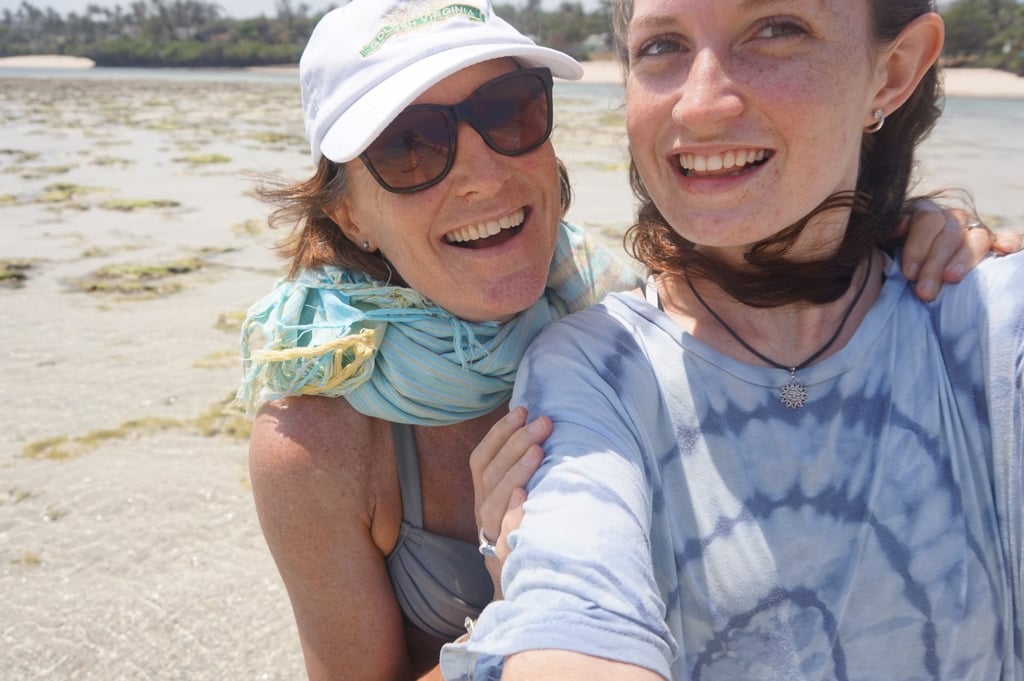
As the mother of a redhead I have always been mindful of her skin in the sun. When she was little, it was easy to manage. I’d slather on sunblock, dress her in UV protective swimsuits and secure a hat beneath her chin. But, as she got older, she wanted to be like her friends, in a bikini on a towel in the sun, gossiping and going brown. Except she didn’t tan; she just burned. As an older young teen, she retreated to the shade and looked miserably on.
My skin is darker than hers. I was that friend, lying by the pool or on a beach, gossiping and going brown. But a darker skin does not protect you from damage; I wear the freckles and lines to prove it. The damage can go further than skin deep, so I see a dermatologist to check for signs of skin cancer.
Dr Wong Shiao Yi of Dermacare Central in Hong Kong describes the types of skin cancer: the non-melanomas – basal cell carcinoma (BCC) and squamous cell carcinoma (SCC) – and melanoma.
“BCC is also called ‘rodent ulcer’; it causes local ulcerations, but doesn’t usually metastasise,” [meaning it] doesn’t spread to other organs, when it becomes complicated and complicating, Wong adds. “SCC is more aggressive and sometimes does metastasise.”
Melanoma is the most dangerous skin cancer type and commonly does spread, Wong warns. “It also tends to occur in younger patients.”