How EMDR therapy helped a traumatised mother in mourning get past her loss, and five ways you can help a grieving friend
- After her daughter died at three months of a congenital heart defect, lawyer Amelia Hall suffered traumatic grief, was wracked with guilt and unable to function
- EMDR therapy helped her to realise she had done all she could for her newborn, and celebrate the short time they had together

Unless you have experienced it yourself, you may believe that grief is straightforward – a staged thing that ends textbook with closure. But the response to losing a loved one is never like that. It is tangled and messy with no neat endings, and it comes in many shapes.
Anticipatory grief, for example, is what you might feel when somebody very old, or who has been very unwell for a long time, dies; there is an element of preparedness. Perhaps their going means release – for them and you.
Delayed grief manifests when the bereaved don’t process their loss, or exhibit signs of bereavement, until long after the fact, such as a mother who doesn’t allow herself to grieve over a husband’s death until she supports her children through the horrible early months.
Traumatic grief is described as the distress suffered when a loved one dies in a way that is frightening and unexpected. The distress can be utterly disabling.
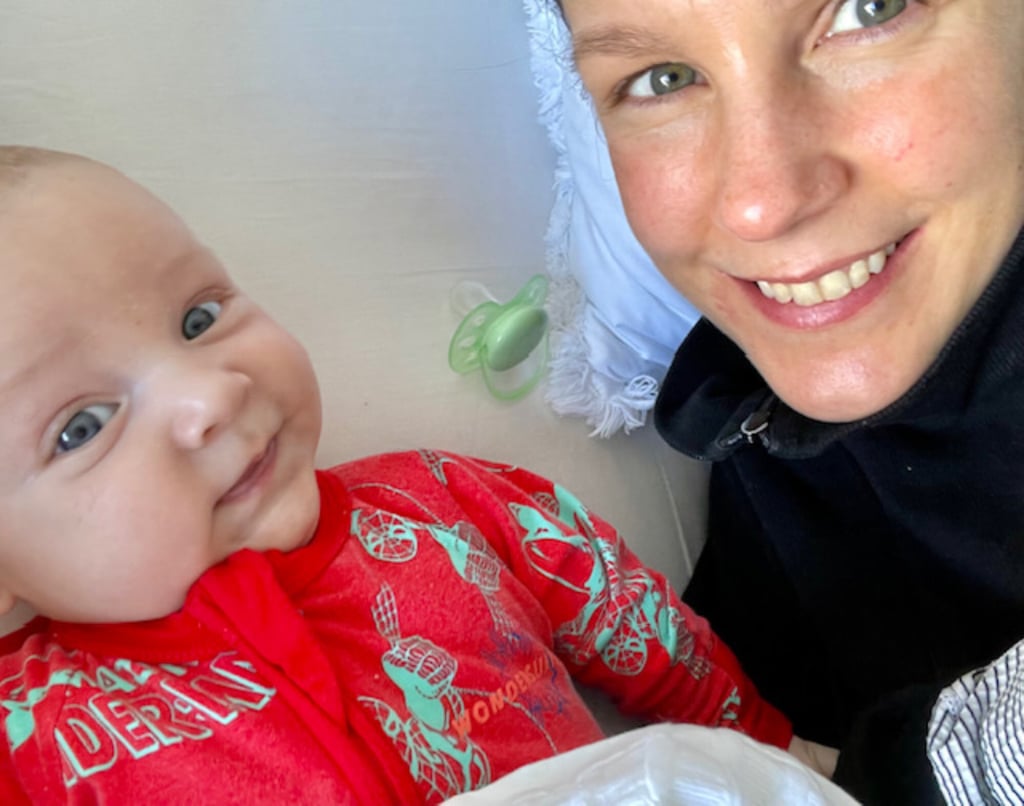
Amelia Hall, a lawyer who worked in Hong Kong for a decade, knows what this feels like. She endured the worst kind of loss, one that turns the natural order of things on its head: her daughter, Chloe, died when she was just three months old.