People with disabilities have sexual, physical and emotional needs like everyone else, so can’t we talk about it?
- Myths about people with disabilities include they don’t want or value pleasure, they don’t have sex or one-night stands, and only date other disabled people
- Disability activists say this is just another part of the dehumanisation they have to fight against

When Kelly Gordon was 18 years old, she was having sex on the floor of a car with a person she didn’t particularly know. This might not sound especially risky, but somewhere in the middle of it, Gordon thought to herself, “what if he just left me here?” which was a terrifying prospect since Gordon can’t use her legs.
“We were in a remote location. What would I have done? I can look back on it now and I’m horrified to think that I ever was in that head space. My phone wasn’t near me. It was probably in the car somewhere but not within reach since I was on the floor and unable to move,” she said. “I was putting a lot of trust in someone I didn’t know.”
Gordon has spinal muscular atrophy type three, a progressive condition in which she loses ability throughout her life. Any changes to the body – growth, puberty, pregnancy – accelerate the loss.
In Gordon’s youth, she engaged in risky sexual behaviour in an effort to explore a sexuality that society denies she possesses. She met people she barely knew in places that were often unsafe to sate a desire no one believed could belong to a girl in a wheelchair.
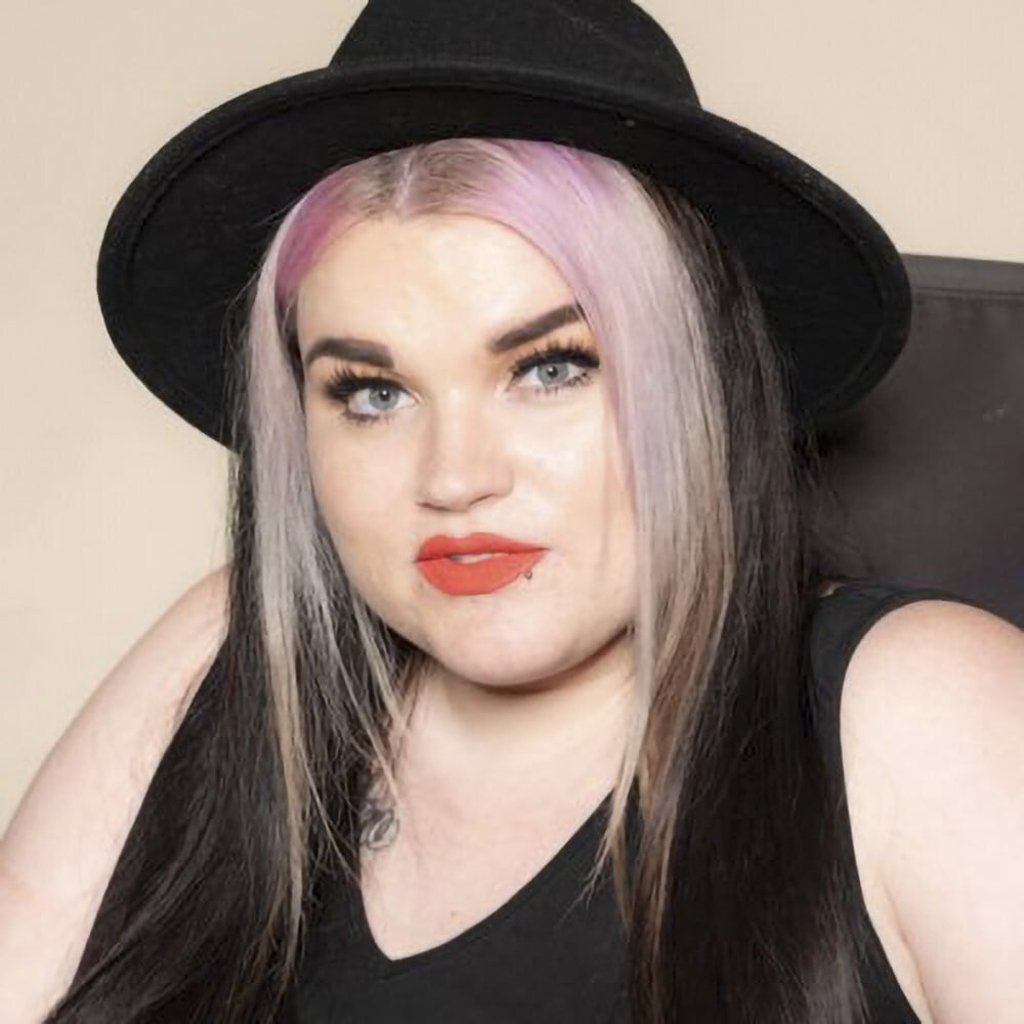
“Disability and sex are seldom mentioned in the same sentence,” she said. “As a disabled person you can often be viewed as asexual and completely left out of the conversation when it comes to sex and intimacy.”
People living with disabilities are frequently denied fundamental elements of well-being – visibility, agency, dignity. The cultural denial of their sexuality, disability activists say, is another feature of their dehumanisation.