World Alzheimer’s Day: what you can do about dementia, from changing your lifestyle to lower your risk of getting it to spotting the warning signs in older people
- A dozen Alzheimer’s risk factors – including smoking, drinking, obesity and isolation – are easily modifiable. Change your habits while you still have time
- With cases set to rise sharply, doctors hope we will develop drugs to manage the disease. In the meantime, learn to see signs of it in older relatives or friends

When I tell people my mother has dementia, they say: “Oh, I am so sorry”. They might add: “It’s a terrible illness.” But they don’t say anything else. They offer no platitudes, no words of encouragement for a recovery.
Dementia has no cure; it’s always terminal. And it’s always cruel.
Dementia is the collective name for progressive degenerative brain syndromes which affect memory, thinking, behaviour and emotion. And Alzheimer’s disease is the most common type of dementia, accounting for 60 to 80 per cent of all cases.
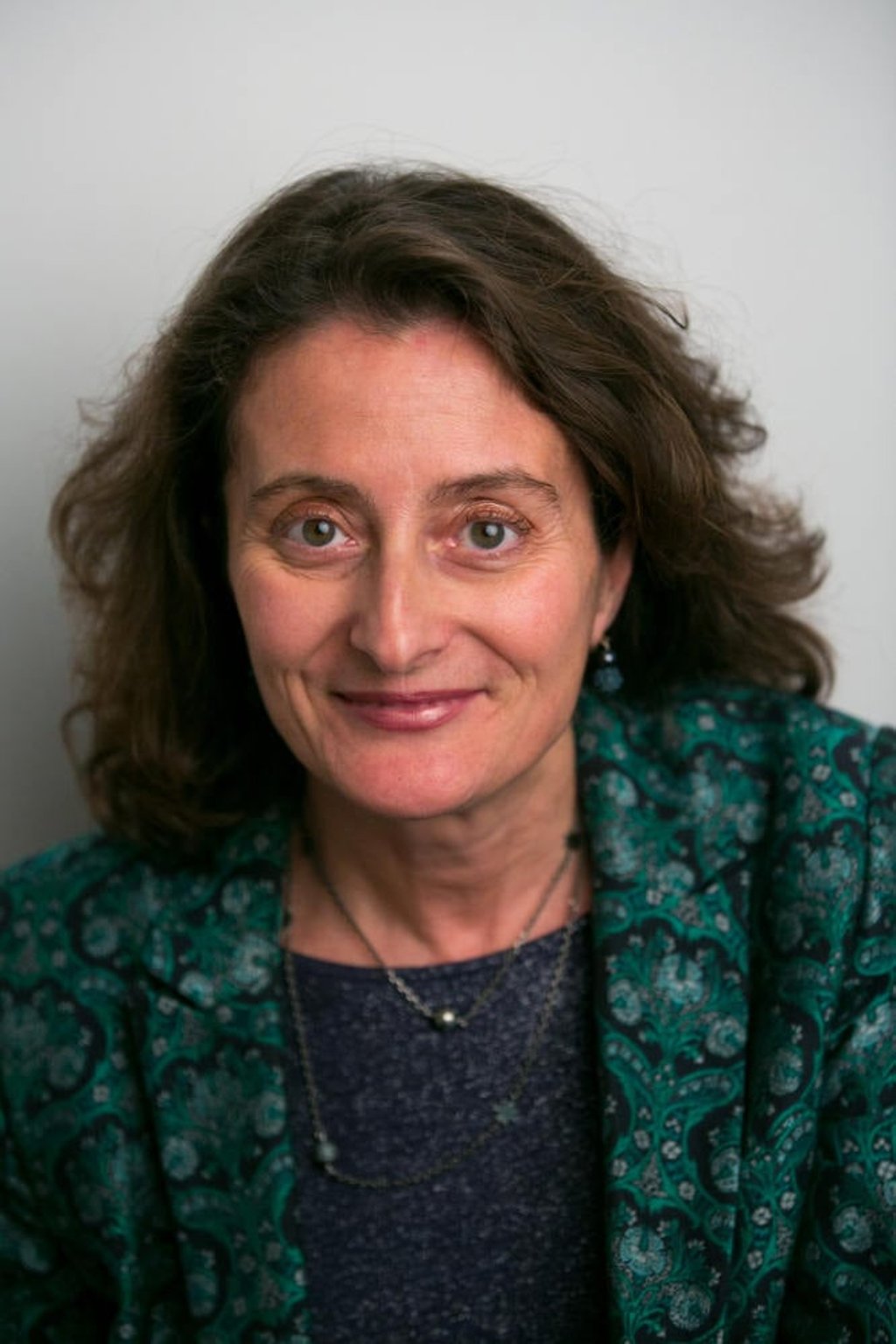
“Many dementia experts around the globe are seriously concerned by the link between dementia and the neurological symptoms of Covid-19,” says Paola Barbarino, the CEO of Alzheimer’s Disease International – the international federation of Alzheimer associations around the world. “We are incredibly concerned by the increasing prevalence of those succumbing to Alzheimers/dementia globally.”