Designs for dementia sufferers reinvent their world – a jacket that looks OK worn upside down, a way to tell time without numbers
- The first OK Dementia Festival in Hong Kong will show how the disease affects sufferers and everyone around them, and offer patients design solutions
- It’s all about seeing the bigger picture, says Pascal Anson, one of the designers taking part, and about ‘trying to allow people to feel OK’ with dementia

Solutions offered to the dementia crisis tend to be scattergun – an approach the organisers of the first OK Dementia Festival in Hong Kong hope to change.
From his London studio, British designer, Royal College of Art tutor and Enable adviser Pascal Anson sheds light on the uncoordinated approach that’s taken to dealing with the difficulties dementia sufferers face, and on how innovative design can help.
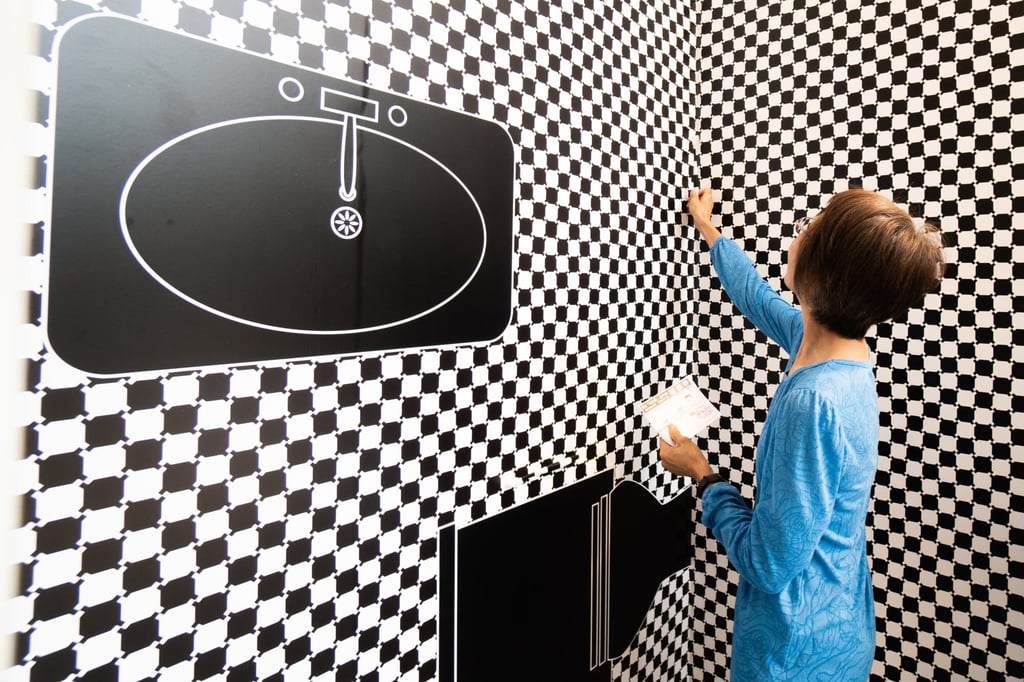
“With dementia, a health care professional might say, ‘You need these tablets to make the problem better.’ Then there’s the occupational therapist’s solution, which is, ‘We can make these changes to make your life better,’” he says. “There’s social-worker problem solving, which is, ‘OK, we can get funding for you,’ then an engineer could come in and say, ‘You know what? We’re going to put wheels on everything so it can move around.’