‘Broken heart syndrome’ can mirror a heart attack, is diagnosed most often in older women – and it’s on the rise, new research shows
- Takotsubo syndrome can be triggered by loss or stress such as a break-up or car accident, and can lead to long-term heart injury
- A new study shows the heart and the brain react together when things like anxiety or stress are present, and that the rare condition has become more common

Middle-aged and older women are being diagnosed with broken heart syndrome more frequently – up to 10 times more often – than younger women or men of any age, a new study suggests.
That painful feeling now comes with a severe diagnosis, according to the study published in the Journal of the American Heart Association. It is also one of the only studies to show how the heart and the brain react together when things like anxiety or stress are present.
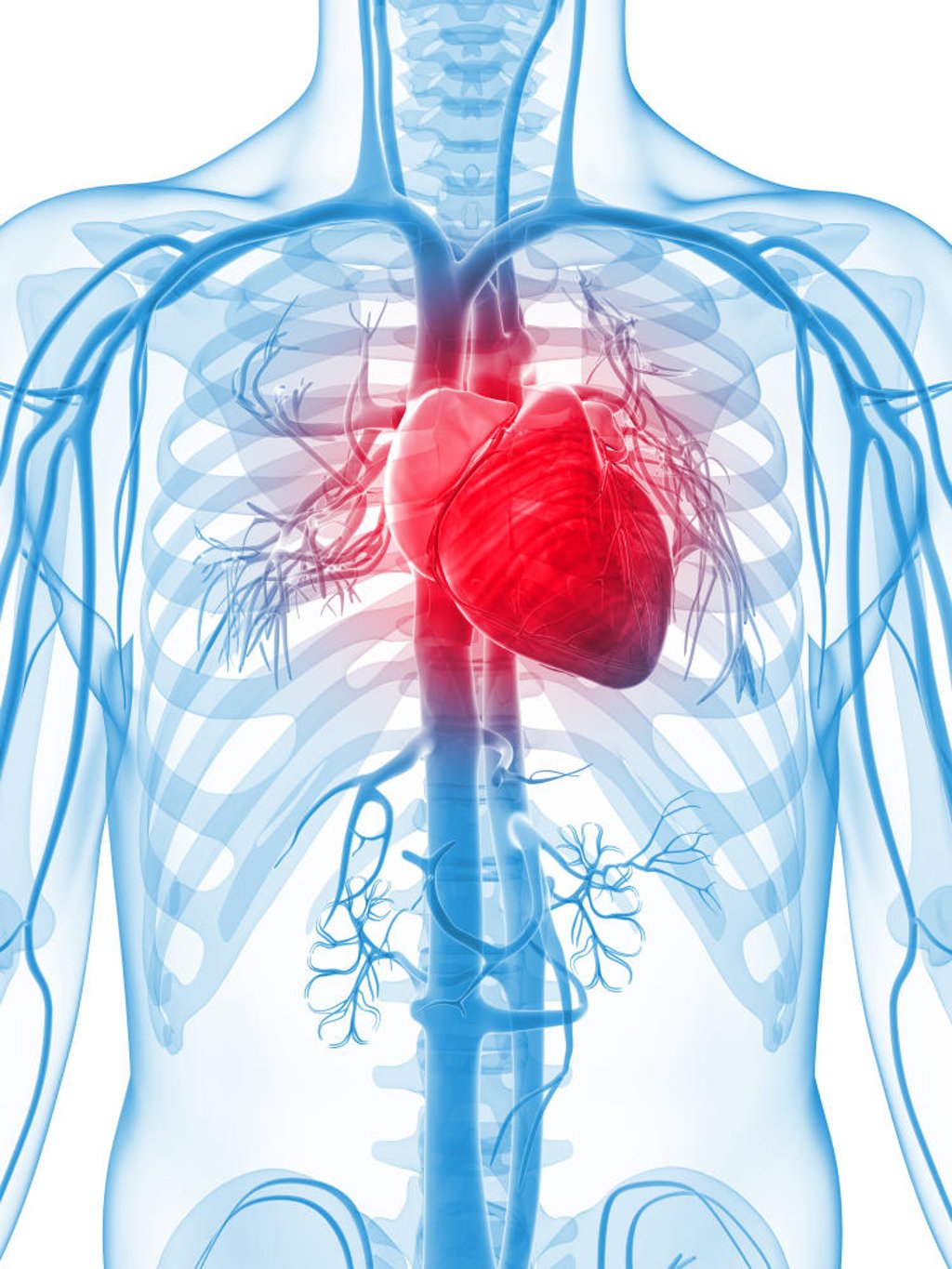
It is often triggered by stress or loss and can lead to long-term heart injury and impaired heart function. It generally happens after a severe emotional or physical event, such as a break-up, car accident or even a surprise birthday party, according to Dr Susan Cheng, a researcher at the Smidt Heart Institute at Cedars-Sinai in the US state of California who led the study.