Working from home during pandemic may have improved night owls’ health, reduced depression symptoms, researchers say
- More flexibility in work schedules allowed those used to sleeping later to align their work and sleep times, a study has found
- Evening people slept longer and better while working from home, with a decrease in symptoms of depression and insomnia

Many so-called night people feel that, when it comes to society’s expectations about when the workday should start, they drew the short straw.
Research shows that “night owls” are hard-wired to sleep later, yet nine-to-five work schedules force them to wake up early. Research also has shown that conventional timetables leave them vulnerable to physical and mental health issues.
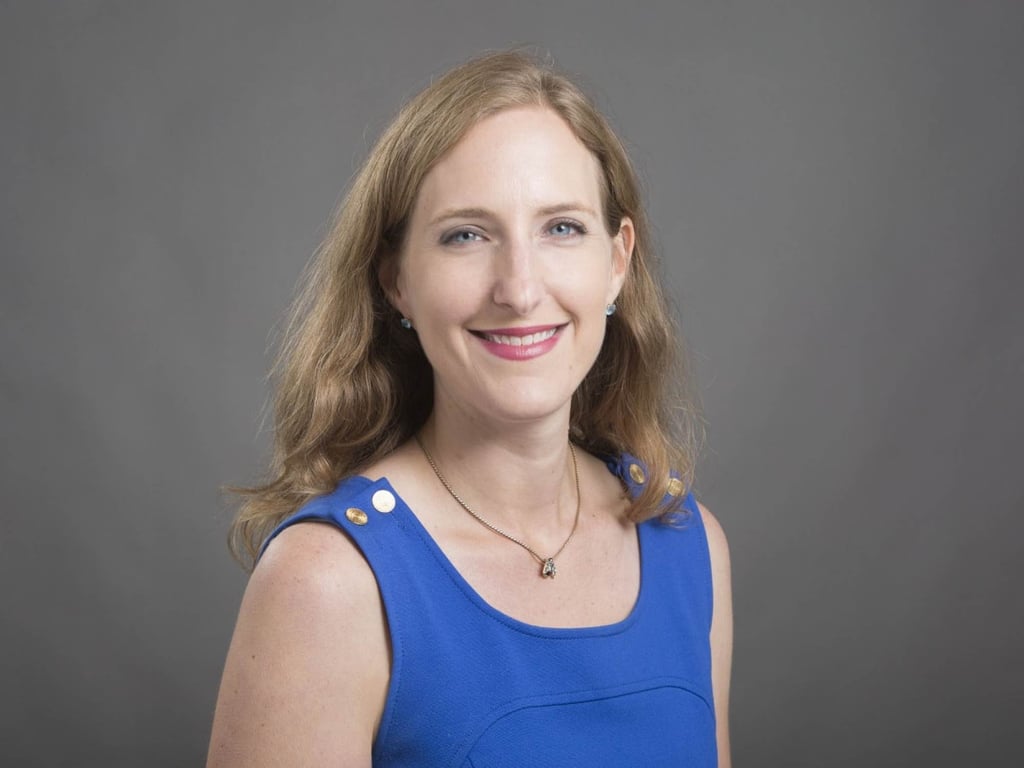
“It is harder for night owls to function in the world because they’re out of sync with the conventional schedule,” said Kelly Baron, an associate professor at the University of Utah in the US who studies sleep health and treats patients who have insomnia.
She noted that poor sleep is also a driver of worker absenteeism and sick days. “We would get better performance out of employees if they were allowed to work at their best working time.”
Her research has found that keeping late evening hours can cause even healthy night owls to be prone to bad habits like eating fast food, not exercising and socialising less.