Advertisement
ExplainerWhat is the fascia? Experts on the ‘silver skin’ that could be behind your pain, and how to keep yours healthy
- When working smoothly, the fascia helps ensure pain-free movement as we age; staying active and hydrated, and stretching regularly, keeps it in top shape
- ‘Adhesions’ in the fascia – caused by injury, repetitive motion, even poor posture – can cause it to tighten, which contorts the muscles it surrounds
4-MIN READ4-MIN

A backache after a long day at the computer might be the result of tired muscles or stiff joints – but it could also be triggered by a body part you might not have heard about: the fascia.
What is the fascia?
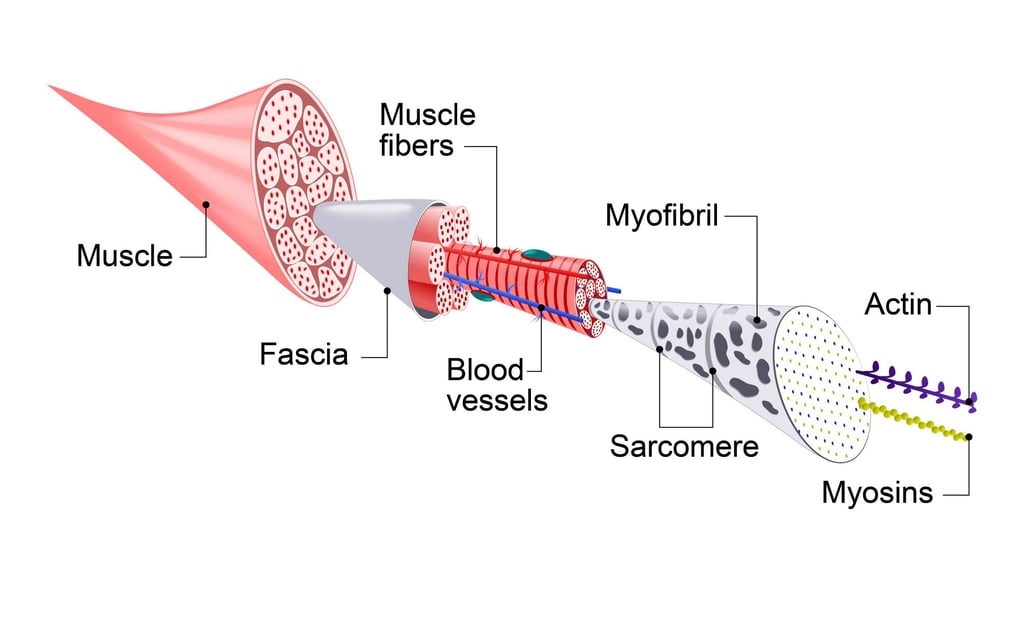
The filmy layer that you see when you cut into a piece of raw chicken or steak is the fascia. This thin casing of connective tissue surrounds and holds every organ, blood vessel, bone, nerve fibre and muscle in place.
The word fascia is derived from the Latin for “band”, and Dr David Cosman of the Cosman Health Group in Hong Kong describes it as a “silver skin”.
Until recently, it wasn’t considered important and was dismissed as “packing material” without any real purpose. It was only a decade ago that fascia was recognised in some scientific circles as the body’s largest organ, with our skin coming a close second, and is so rich in nerve endings that it’s just as sensitive.
Advertisement
Experts, both scientists and therapists, have been gathering regularly to discuss fascia’s potential. The Sixth International Fascia Congress will meet in September in Montreal, Canada.
What does it do?
Cosman likens it to a highway system that enables signalling between different parts of the body. “It contains nerves and blood vessels; it’s an active communicating force.”
Advertisement
Select Voice
Select Speed
1.00x