Diversity diet: why a gut health doctor advises eating 30 different plants a week to keep your digestive microbiota in top condition
- Organisms in our gut known as microbiota ‘do a lot for you on a daily basis’, Dr Megan Rossi says – from regulating our appetite to boosting the immune system
- Plants have fibre, which gut bacteria breaks down, and myriad nutrients that can help protect against illness; an apple has 3,000 beneficial nutrients
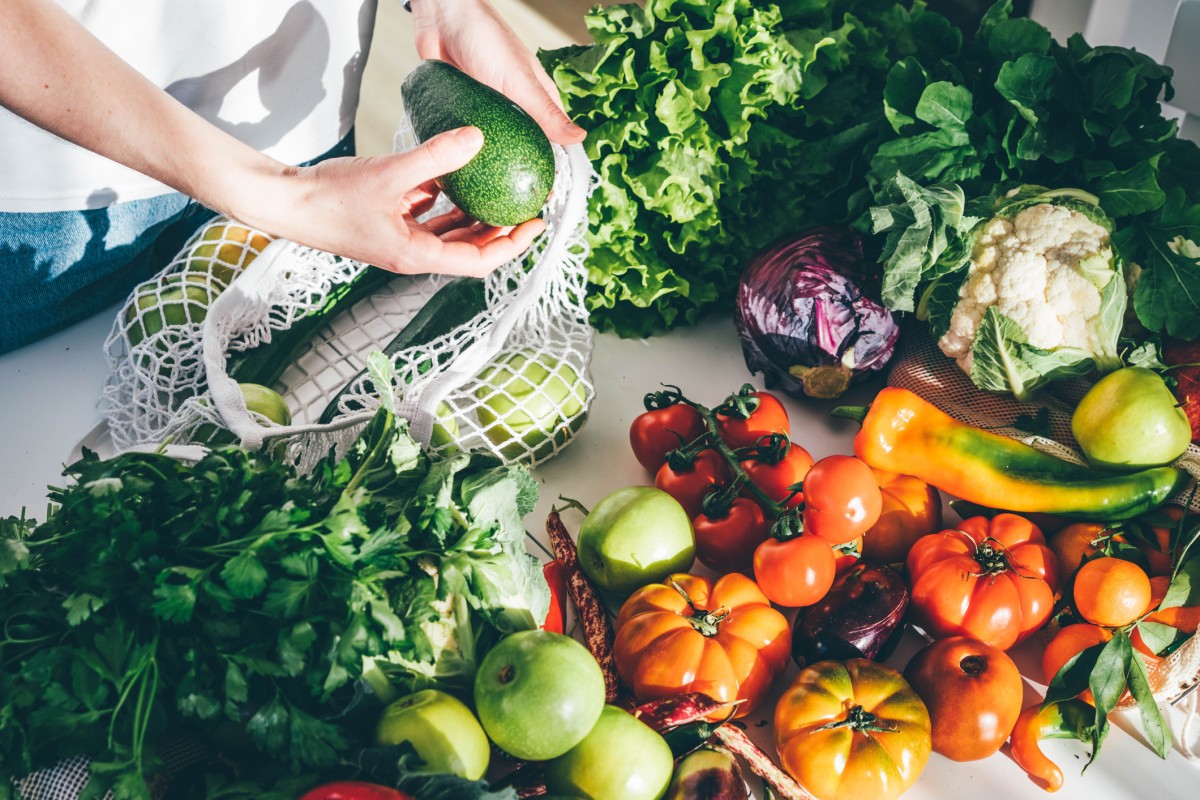
Scientist and dietitian Dr Megan Rossi, known as the “gut health doctor”, regularly extols the benefits of plant-based food, which cultivates the trillions of beneficial microbiota in the gut.
In a recent talk for New Scientist magazine, titled “Eat More, Live Well: enjoy your favourite foods and boost your gut health with the diversity diet”, Rossi explained the workings of the digestive system and how a healthy gut safeguards whole-body health. Some highlights follow.
How what happens in your gut affects your overall health
What we eat has been known to affect overall health for some time, but it was originally thought to affect human metabolism in general. The recent landmark discovery has been “bacterial metabolism” – the way that our gut microbiota, the trillions of organisms that live in our gut, affect our health.

Microbiota, as these organisms are collectively known, are generally concentrated in the large intestine, and include bacteria, fungi, parasites and viruses. “Microbiota do a lot for you on a day-to-day basis,” Rossi said.
“Microbiota produce chemicals that get into the blood and go to organs all over the body,” Rossi said. “They lower our risk of getting some illnesses, and can even lower our risk of getting things like the common cold. They can also produce vitamins and hormones.”