Why dark chocolate, not milk chocolate, is good for you, its health benefits including whether it boosts libido, and what to be careful of
- On World Chocolate Day, we look at the history of this indulgent treat and its myriad health benefits, from triggering our happy hormone to protecting our heart
- A nutritionist says it’s best to eat at least 70 per cent cocoa dark chocolate as other types can be high in calories and saturated fats

“Think of another name for chocolate.” That was the instruction on a childhood competition I once entered.
I thought hard. But what word would conjure the creaminess, the teeth-aching sweetness, the indulgence? I couldn’t come up with anything.
The irony is that the word derives from one that doesn’t speak to any of these properties: it is believed to come from the Aztec word xocoatl, which describes a bitter beverage brewed from the cacao bean, sometimes with a pinch of chilli, that was drunk 3,000 years ago in what is now present-day Mexico.
That it was usually drunk hot might explain why the other root of the word is thought to be in the Aztec word choqui, which means warmth.
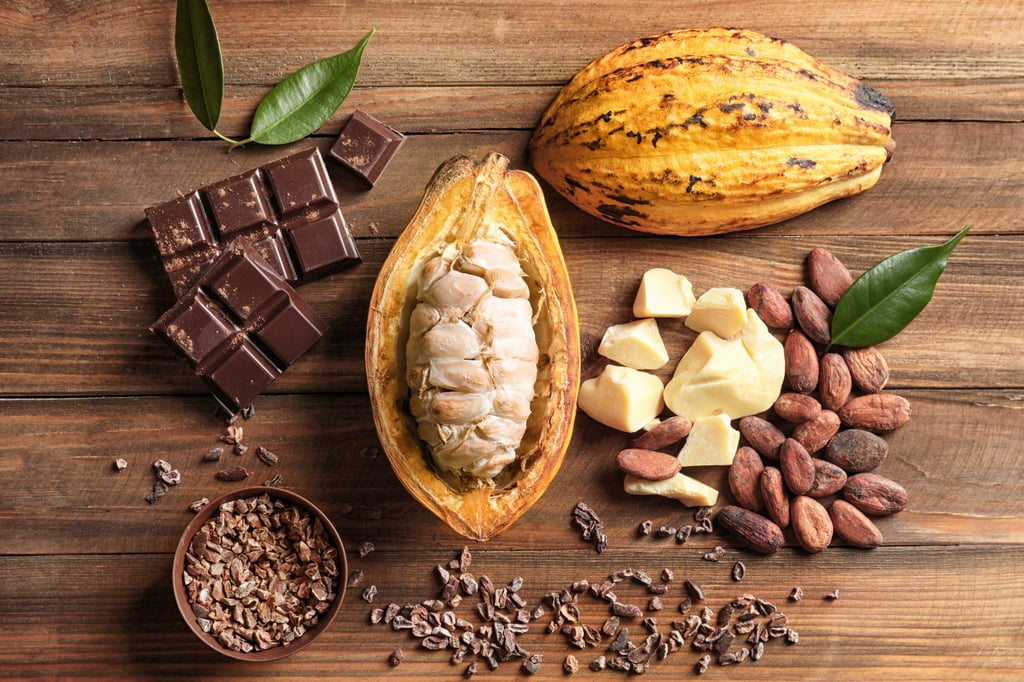
History and making of chocolate
Cacao beans are harvested from cacao pods, then fermented, dried and often roasted. Next, the beans are stripped from their shells and crushed into nibs, which are then ground into a liquid – cocoa liquor, also known as chocolate liquor, though it does not contain alcohol.