Can traditional Chinese medicine (TCM) work on dementia? Research team identifies herbal treatments that safeguard brain health
- A lack of early dementia diagnosis underscores the need for preventive measures; Hong Kong researchers have found TCM treatments that slow the brain’s ageing
- The successful use of TCM ingredient artemisinin to treat malaria shows the promise of marrying modern science and technology with traditional Chinese medicine

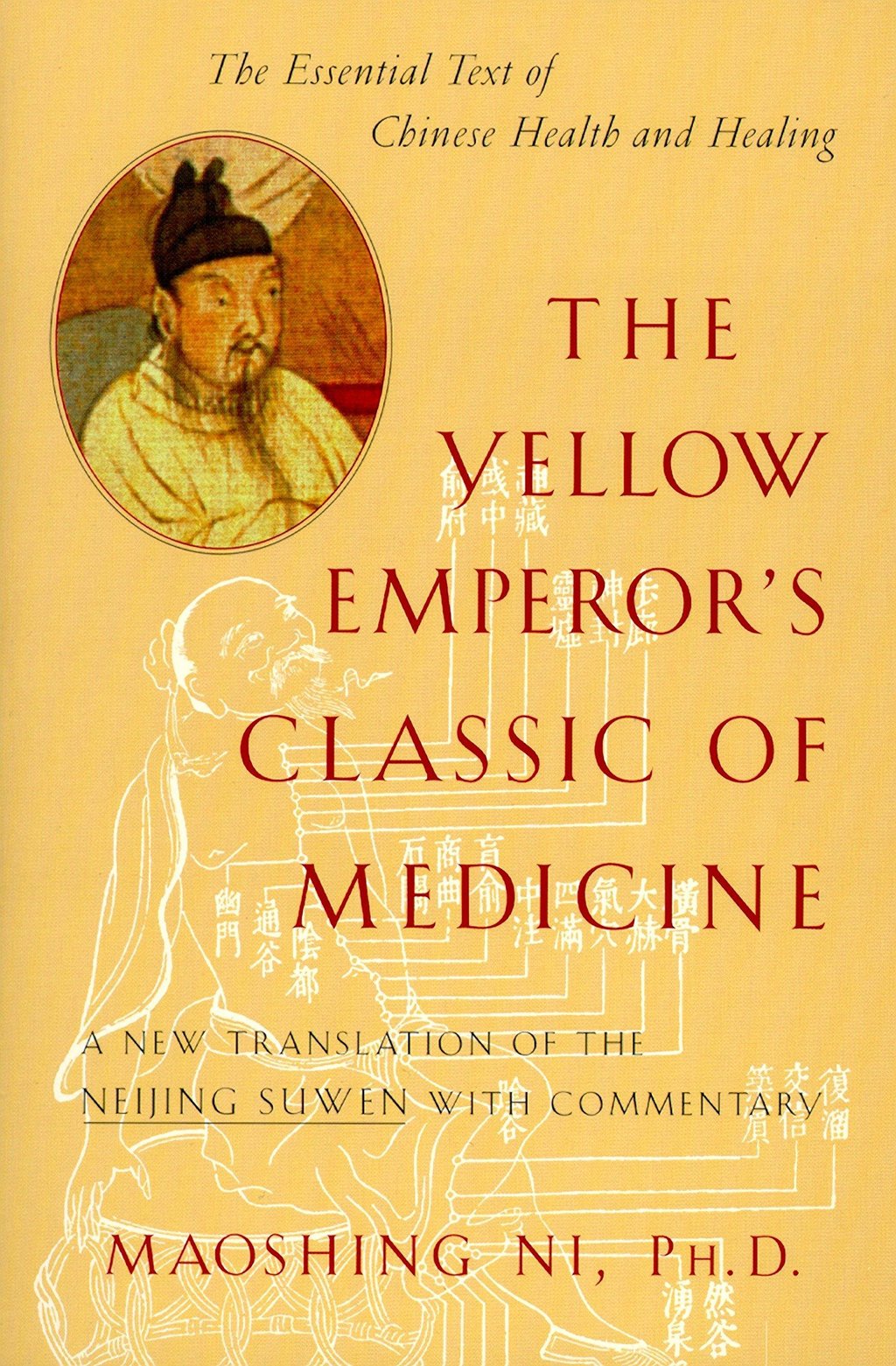
An ancient text which chronicles the use of Chinese medicine, “The Yellow Emperor’s Classic of Medicine”, includes references to forgetfulness, a condition which describes memory impairment and has symptoms similar to our modern-day diagnosis of dementia.
This text is said to have been written by Chinese emperor Huangdi around 2600BC and remains influential as a reference for practitioners of traditional Chinese medicine (TCM).
The ideas in the book are based on Taoist philosophy. Health and illness are the result of an imbalance between the forces of yin and yang and of the influence of the five elements’ – wood, fire, earth, metal and water – on the body’s organs.
There was an understanding then of a relationship between organs such as the heart and pulse, for example, even if those relationships are understood differently in medicine today. Despite its age, the work remains significant, not just as a reference for those practising TCM but because many of its original tenets hold true.
Dr Fanny Ip, a neurobiologist and senior research and development manager at the State Key Laboratory of Molecular Neuroscience at The Hong Kong University of Science and Technology (HKUST), is familiar with the text. Her work uses modern approaches to investigate the potential benefits of TCM in the treatment of neurodegenerative and neurological disorders.