How your liver keeps you healthy and how hepatitis vaccinations and a good diet can protect it
- The liver plays an outsize role in safeguarding our health – and the ways we can protect it
- The liver is the only human organ that can regrow or regenerate; but it’s not indestructible. Alcohol abuse may cause irreparable scarring

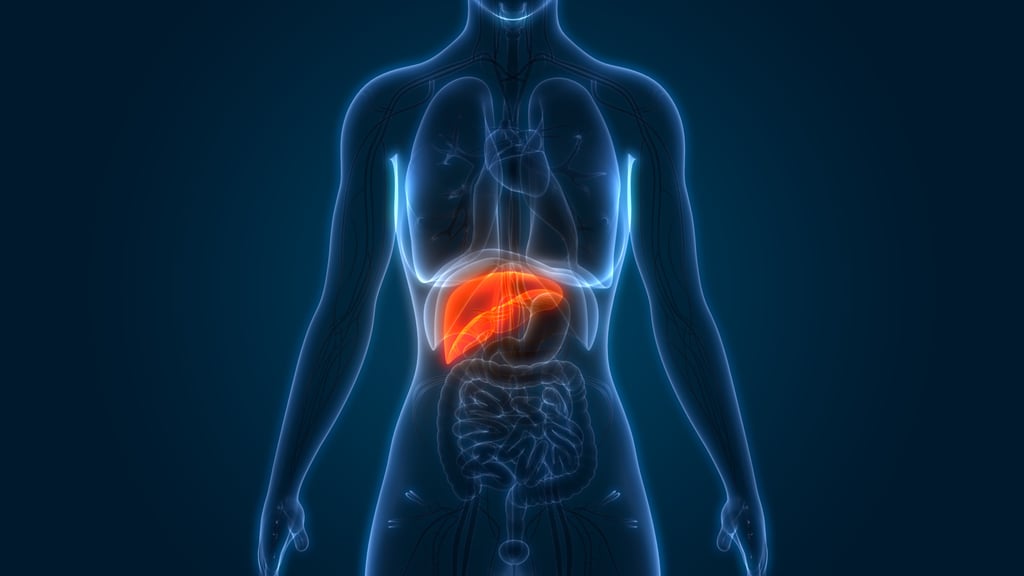
The body’s largest organ, the liver, weighs about 1.5kg (3.3lbs) in a healthy adult. And if we take good care of it, the liver can be extraordinarily resilient, says Dr Paul Ng, a specialist in gastroenterology and hepatology in Hong Kong.
That resilience is key, given the liver is the big old factory of the body. Consider that:
-
it acts as energy storage when we sleep (or fast);
-
it’s an effective detox unit, as it sifts out and excretes poisons from our bodies including alcohol and drug by-products;
-
it manufactures bile which helps break down fats;
-
it supports our immune system; and
-
a recent study suggests it might even help the brain understand when our stomachs are full.
That study, by Yale University in Connecticut, supports the hypothesis that our brain’s cerebral cortex is affected by different organs in the body, not just the other way around.
The liver manages this great range of functions through a slew of different cells which perform different roles.
The biggest and most prolific are hepatocytes, which help manage our energy levels. Kupffer cells, or “guardian” cells, destroy foreign bacteria.
Star-shaped hepatic stellate cells store vitamin A, and are part of a production team that make the proteins that support the liver’s structure. The sinusoidal endothelial cells cover the liver’s abundant blood vessels.