Human breast milk: essential at birth, but scientists know less about it than tomatoes; a new US institute will put it in the spotlight
- ‘Scientifically decoding the complexities of human milk is a vital component for improving human health,’ an expert on lactation says
- That medicine, a profession with more than 160 specialities and sub-specialities, does not have one called lactology is ‘mind-boggling’, a paediatrician says

It is one of the foods that nearly everyone on the planet has consumed at some point. It is linked to a host of health benefits, from reducing the risk of asthma and Type 1 diabetes to fighting off infections.
Yet despite the vital role it plays in sustaining our species, this essential substance – human milk – has been the subject of curiously little research, especially compared to other aspects of diet and reproduction.
On April 6, the University of California San Diego (UCSD) formally inaugurates the Human Milk Institute, the first academic institution in the US devoted to a crucial element of human nutrition that science is, in many ways, only beginning to understand.
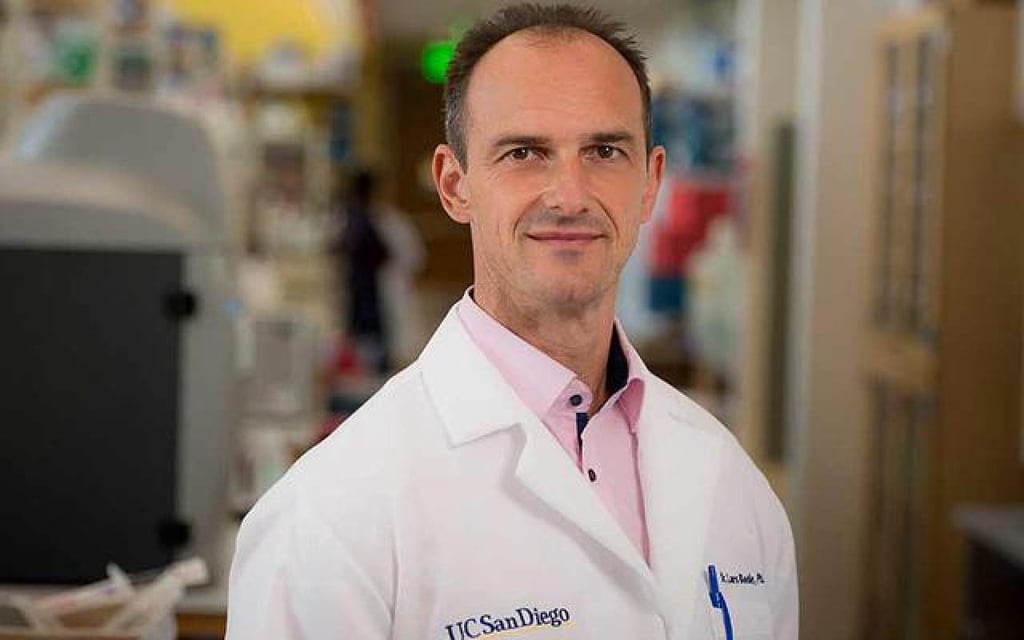
“I find it fascinating that we know so little about it,” said institute director Lars Bode, a sugar biologist at UCSD. “How is it possible that there is an entire biosynthetic pathway in the human body where, if you had to put this in a biochemistry textbook, you would have an empty page?”
Roughly 95 per cent of babies consume human milk at some point in their young lives, according to a 2018 Unicef report. The American Academy of Pediatrics, the World Health Organization (WHO) and Unicef all say it should be the only food given to babies in their first six months of life.