Advertisement
ExplainerThe difference between heatstroke and sunstroke, their symptoms, and how to stay safe in hot weather
- Hot weather brings a heightened risk of heatstroke and sunstroke, and while there are key differences between the two conditions, both can be serious
- Doctors explain how each is caused and how they affect the body, signs to look out for, and what to do if you suspect someone is suffering from one of them
3-MIN READ3-MIN
1

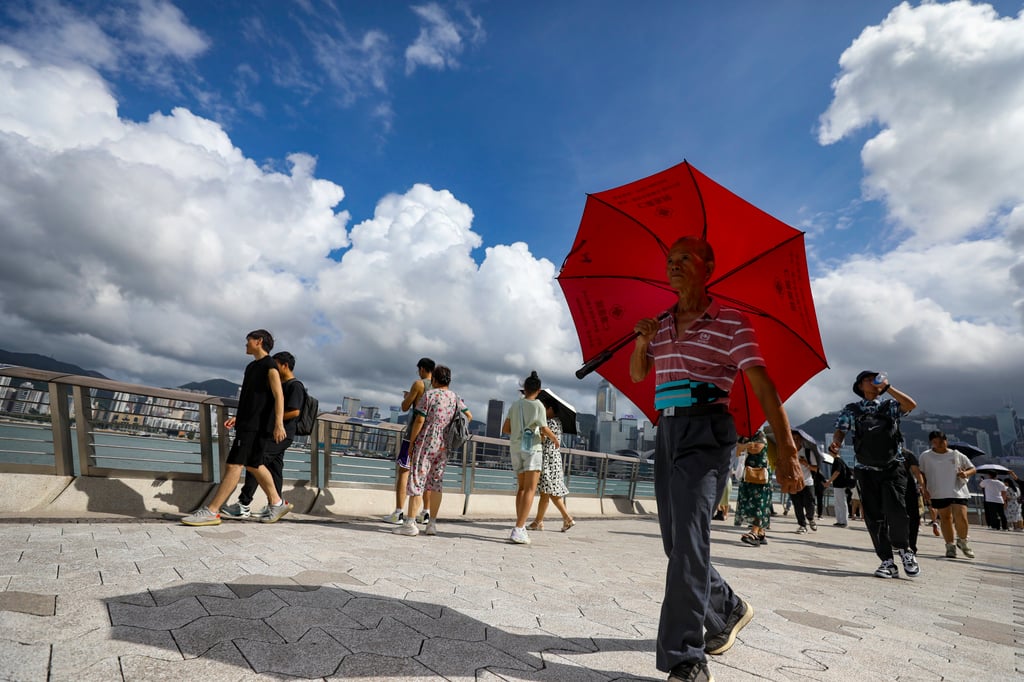
Wear a hat, drink plenty of fluids, seek shade and avoid outdoor exercise. These are the golden rules on hot days to avoid sunstroke and heatstroke – but what’s the difference between the two?
In both cases, high temperatures harm the body. Put simply, “sunstroke affects only the head – that is, the brain. The rest of the body is fine”, says Dr Frank Erbguth, president of the German Brain Foundation.
Heatstroke causes the body’s entire thermoregulation system to break down and can be fatal.
Advertisement
This doesn’t mean that sunstroke isn’t serious. As Erbguth says, there’s often a seamless transition from it to heatstroke.
In contrast to sunstroke, which requires exposure to sunlight, heatstroke can occur “in pitch darkness” if temperatures are high, according to Dr Bernd Böttiger, head of the department of anaesthesiology and intensive care medicine at Cologne University Hospital and federal coordinator of German Red Cross state doctors.
Advertisement
Advertisement
Select Voice
Select Speed
1.00x