ExplainerBipolar disorder: as US researchers work on biggest long-term study yet, one patient’s reminder it is ‘not an easy illness’ but it can be tamed
- Most bipolar studies are short term, and look only at manic and depressive episodes, but a new study plans to follow 4,000 people over five years or more
- The study will gather physical and mental data, and look at daily habits, including smartphone use, in order to better understand the condition

Two months before Charita Cole Brown was supposed to graduate from college – and about two years after she experienced her first manic episode and was diagnosed with bipolar disorder – her doctors told her parents they should prepare for the likelihood that she may one day not be able to care for herself.
It was March 1982 and Cole Brown had just experienced a psychotic break eerily similar to what her grandmother had experienced years earlier.
Despite her doctors’ prediction that she would never lead a “normal” life, within a few years, a counsellor had helped Cole Brown find a combination of medication and other wellness strategies that worked for her.
She graduated from college, went to graduate school, fell in love and raised two daughters to be “some of the kindest women you will ever meet”. Later, during her parents’ final years, she cared for them both.
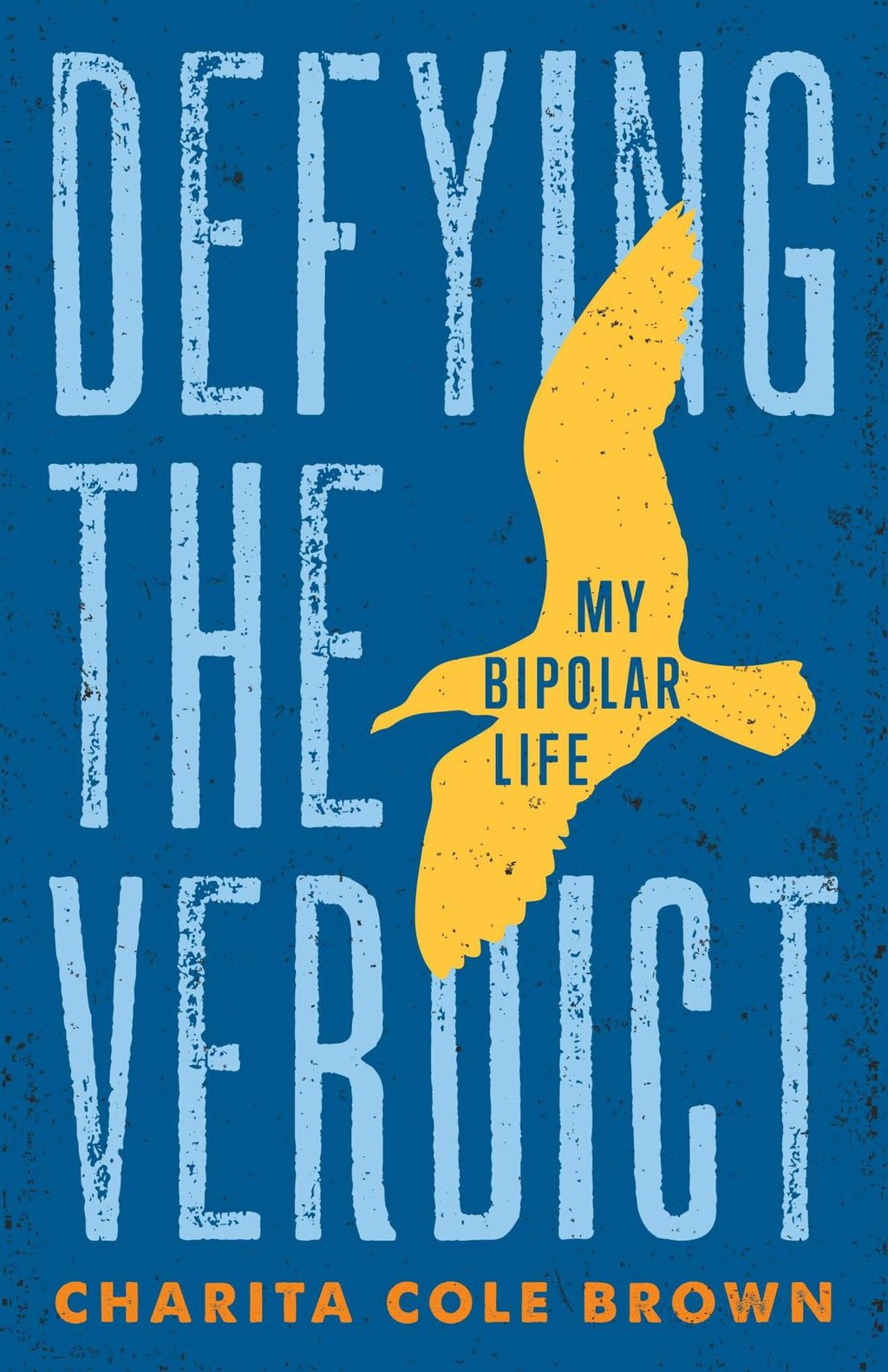
“Bipolar is not an easy illness. I don’t have any enemies, I don’t think, but if I had an enemy, I would not wish this on them as a punishment,” said Cole Brown, who lives in the US state of Maryland, and published a memoir in 2018 called Defying the, Verdict: My Bipolar Life.
But, she added, “you can live well”.