Doll’s house hobby has mental health benefits even if prices make it far from child’s play
Adult collectors spend big on mini homes, furniture and decor in a pastime that eases stress and anxiety, and is booming in wake of Covid-19

A log burns in the hearth in the artfully lit drawing room. The armchairs look plush and inviting. Glasses and a bottle of wine stand ready as a grandfather clock keeps time.
It is all straight out of a glossy magazine, and yet every carefully crafted item in the room could fit into the palm of one hand.
“I love Victorian [19th century] houses and always wanted to live in one but it never happened,” laughs doll’s house enthusiast Michele Simmons, admiring the cosy miniature scene by historical specialists Mulvany and Rogers.
The 57-year-old corporate recruiter revived her childhood passion for doll’s houses during the Covid-19 pandemic and has since “flipped” about 10, buying them, doing them up and selling them on.
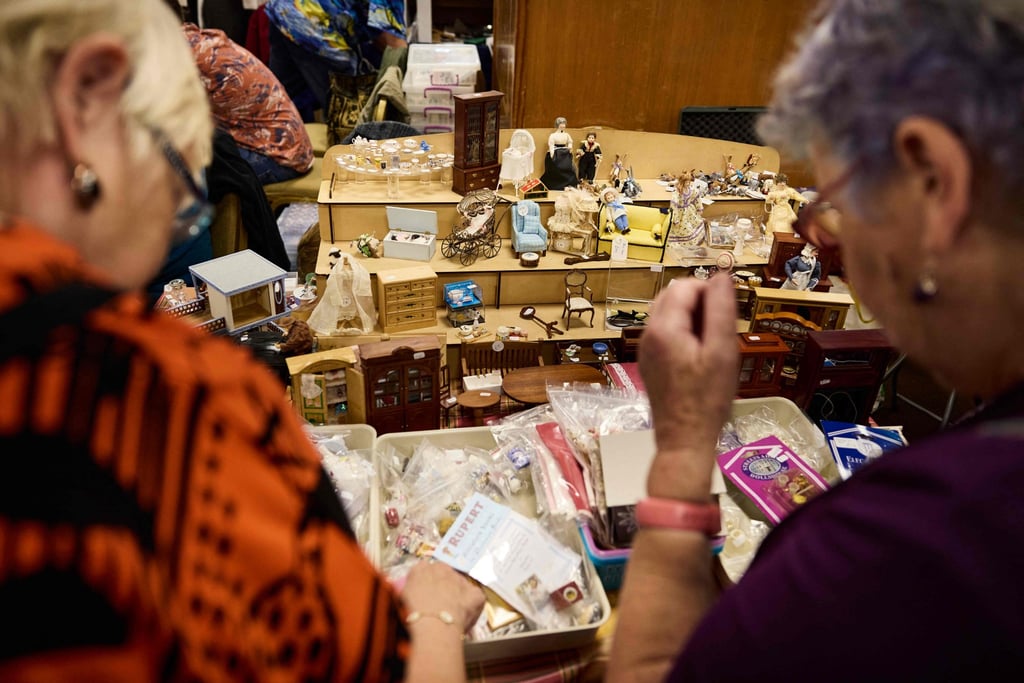
She and her daughter thought nothing of flying all night from Boston in the United States to hunt for tiny curtains and a child’s cot at the Kensington Dollshouse Festival in London.