5 benefits of learning to swim in your retirement – and tips to help you dive in
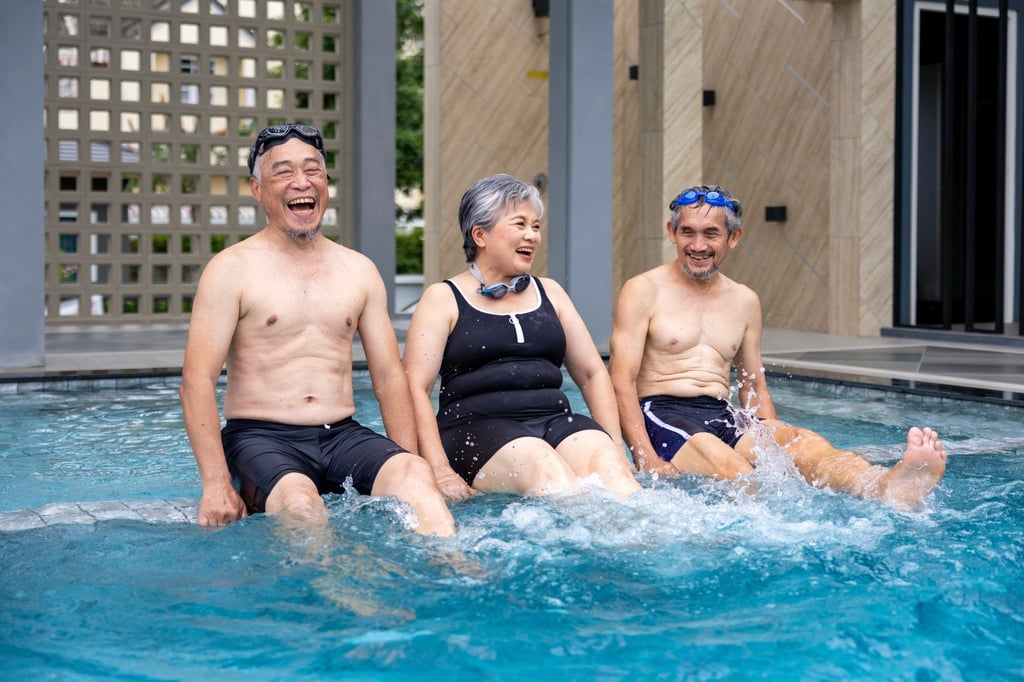
Swimming takes pressure off joints, builds muscle strength and cardiovascular health, boosts mental health, and can improve your social life

Stripping off and diving into a swimming pool can seem daunting, but braving the water could be one of the best decisions you make for your mental and physical health.
Being a strong swimmer is a key life skill that can come in handy when you least expect it, so it is important to fine-tune your skills and increase your confidence in the pool – especially later in life.
“I’ve seen the difference swimming makes in people’s lives, especially for older adults,” says Emma Kuwertz-Norman, national swim manager at Nuffield Health in the UK.
“It’s not just about keeping fit; it’s about feeling confident, staying independent and enjoying life to the fullest. Retirement is the perfect time to work on movement and the pool is one of the safest and most effective places to start.”
When you compare swimming to other low-impact activities, like walking or cycling, it really does stand out.