How VR experiences can help elderly people boost their mental health and battle loneliness
From skydiving to gardening, VR experiences offered to residents of US retirement homes are having positive effects on their quality of life

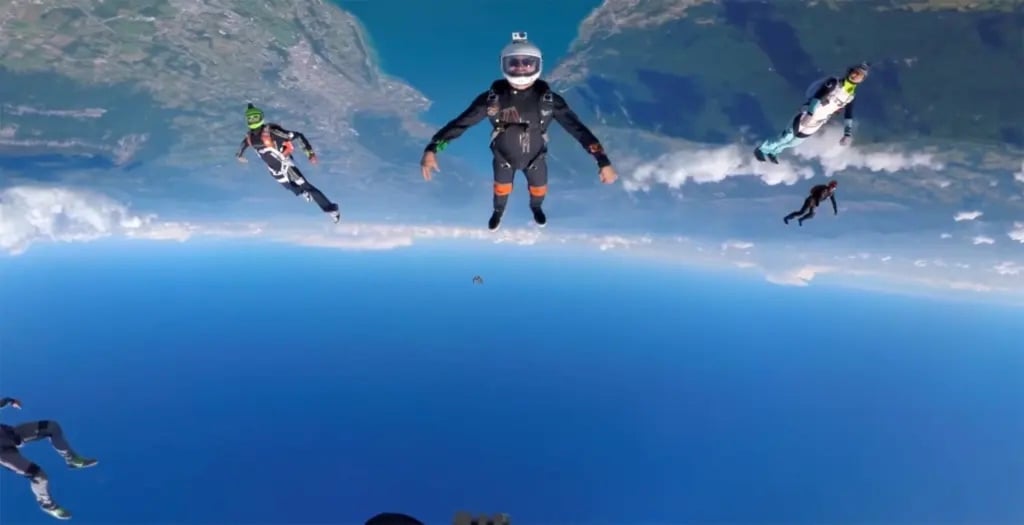
In a retirement home in Dallas, Texas, Theresa Steward is skydiving.
The 74-year-old American squeals and yelps as the ground rushes up and snow-capped mountains slide past. Her body lurches forward, and she grabs at the air to steady herself. After landing safely, she appears relieved but exhilarated.
“I’m glad I experienced that because I never would do skydiving,” Steward says.
This is not thrill-seeking for its own sake. Steward is one of several residents at Umphress Terrace, the retirement home, to try out the VR headset and handheld controllers. They are taking turns on the Great American Elderverse, a platform built by Texas-based tech company Mynd Immersive for underserved seniors that blends entertainment with physiotherapy, occupational therapy and speech therapy.
What is happening at Umphress Terrace reflects a broader shift. Once mostly associated with gaming, VR is showing up in senior living communities as companies and scientists study whether immersive experiences can ease loneliness, support cognition and mental health, and improve quality of life.