Why poor sleep is not unavoidable as we get older
Ageing does not mean poor sleep is inevitable. Experts reveal why older people can be more susceptible, plus how to improve sleep quality

There are many disadvantages to getting older. One of them is poor sleep. But although there are many reasons sleep may deteriorate as you age, it does not have to be that way.
“Fundamentally, your sleep doesn’t have to change in your sixties or seventies, but circumstances tend to create a lot more vulnerability around that ageing point,” says Jason Ellis, a professor and director of the Northumbria Centre for Sleep Research at Northumbria University in the United Kingdom.
“A lot of the challenge we have for older adults is they’re being taught this is normal – ‘Oh, it’s normal that you shouldn’t sleep well, just as it’s normal you should have aches and pains’. That’s not true.
“The vulnerability is there, but it’s not a fait accompli. It doesn’t mean that every older adult shouldn’t have good sleep.”
Lisa Artis, deputy chief executive of The Sleep Charity in the UK, adds: “It’s important to stress that poor sleep is not an inevitable part of ageing. While sleep patterns change, persistent sleep difficulties shouldn’t simply be accepted as ‘just getting older’.”
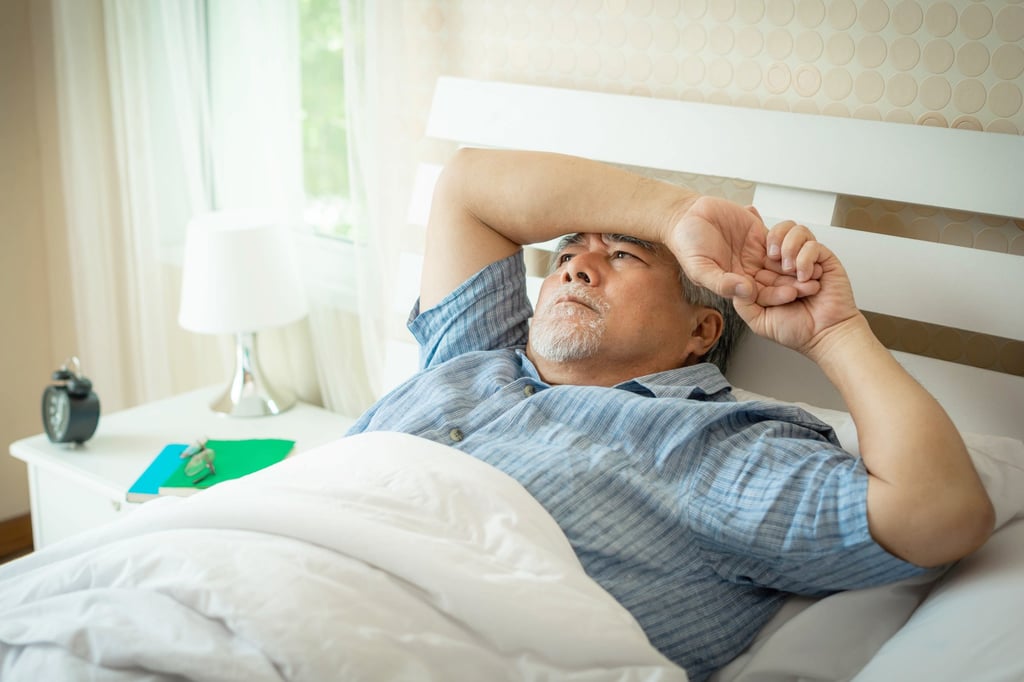
Both experts agree that certain vulnerabilities make older people more susceptible to sleep problems.