How often should your air conditioner be cleaned to prevent health risks?
Unclean AC units harbouring mould, fungi, bacteria and worse pose myriad health risks, including triggering allergic rhinitis or asthma

When social media influencer Utah Lee had the air conditioners in her Hong Kong home cleaned for the first time in a year, she was shocked to find an ant’s nest, many dead bugs and even a live gecko. Images from her Instagram post show the grime, dust and mould that had accumulated inside the units.
Lee’s experience is familiar in Hong Kong. As summer arrives, air-conditioning provides a welcome reprieve from the scorching heat and suffocating humidity outdoors. With temperatures hitting 35 degrees Celsius (95 degrees Fahrenheit) and above in Hong Kong, it is no surprise that indoor air needs managing.
Yet, these appliances that bring relief can easily become a damp breeding ground of fungi, mould, debris and bacteria without proper maintenance.

“Dirty air conditioners basically act as both incubators and distributors for allergens,” says Philip Li, president of the Hong Kong Institute of Allergy and a professor of clinical immunology at the University of Hong Kong.
Every time an unclean air conditioner is turned on, that filthy build-up is blown straight into the living space. Mould spores and dust particles both therefore become a consistent part of breathable air, often accompanied by an unpleasant musty smell.
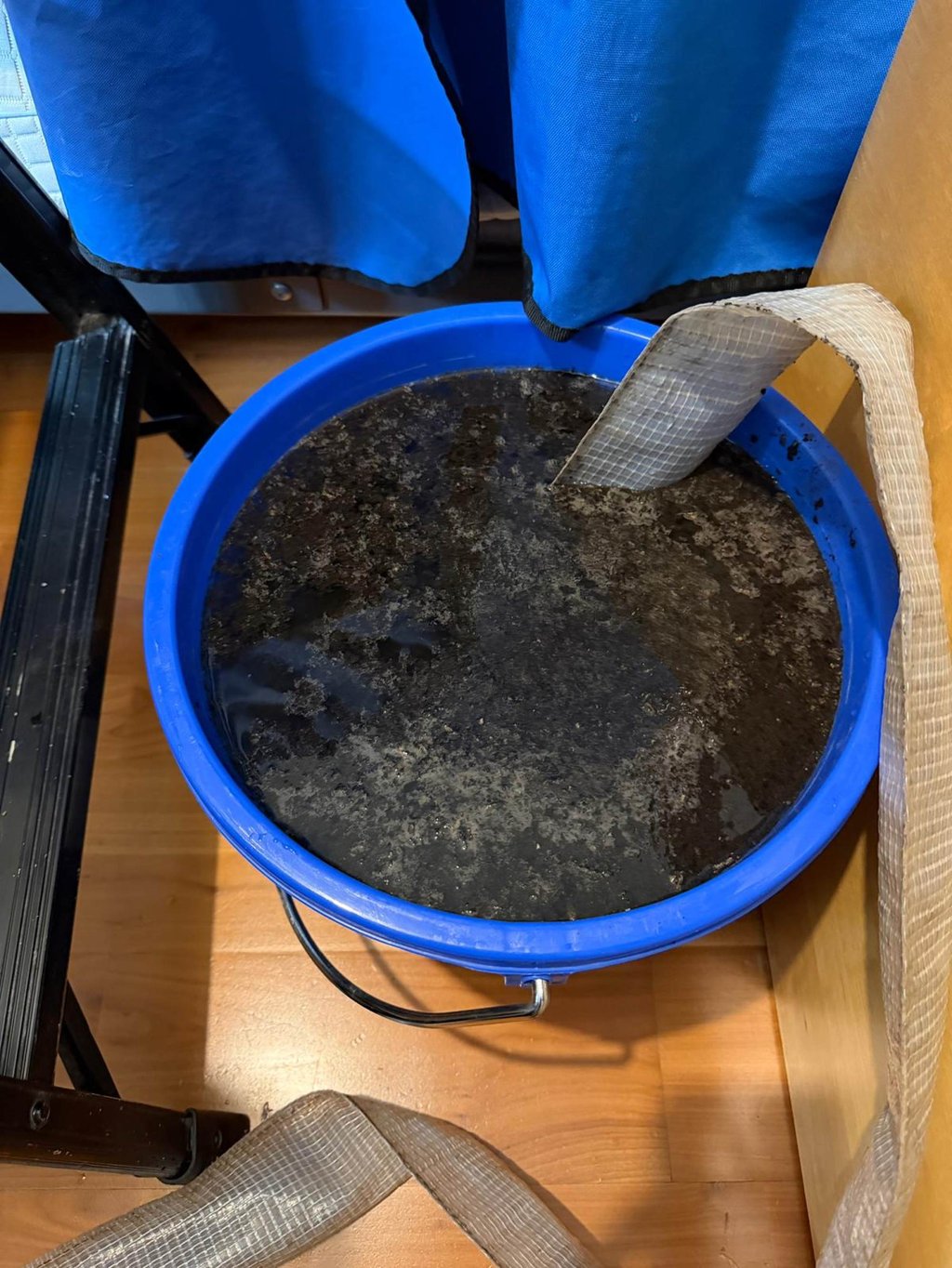
“It is normal for us to come across an extreme case once or twice a day at the minimum,” says Jeff Lamb, director of Hong Kong-based air conditioner cleaning company Breathe-Easy. He recounts several horror stories of dirty air conditioners, including the growth of a small fungal ecosystem in one, and another that had a full bucket of black mould removed from it.
It is not just aesthetics that matter. Unclean air conditioners harbour a myriad of health risks, putting those with existing respiratory issues in further danger.