How a failing Japanese ski resort became Aspen of Asia as luxury hotels and wealthy Asians replaced backpackers and hostels
For the architects transforming Niseko in Hokkaido with the backing of investors including Hong Kong’s Richard Li, anything goes. They’ve gone from copying Europe and North America to taking inspiration from Japanese culture

Snow is the main topic of conversation in Niseko, a ski resort on Japan’s northern Hokkaido island. Skiers and snowboarders travel from around the world to experience the area’s legendary powder, which can lie up to 15 metres deep by the end of winter.
But if you listen to foreign property developers and architects discussing Niseko, snow will hardly be mentioned. Instead, they will likely be debating the myriad business opportunities to be had in this booming area.
Five of the best Asian countries for skiing, recommended resorts and our top pick for this winter
“There has been an incredibly dramatic change in Niseko,” says Tokyo-based architect Riccardo Tossani, who has worked on more than 15 projects in the area over the past decade, ranging from resorts and restaurants to hotels and villas.
“In the last 10 to 12 years it’s gone from a moribund, failing Japanese ski resort, literally falling apart at the seams, to a place that is rapidly resembling Aspen, with all of the trappings of luxury that entails.”
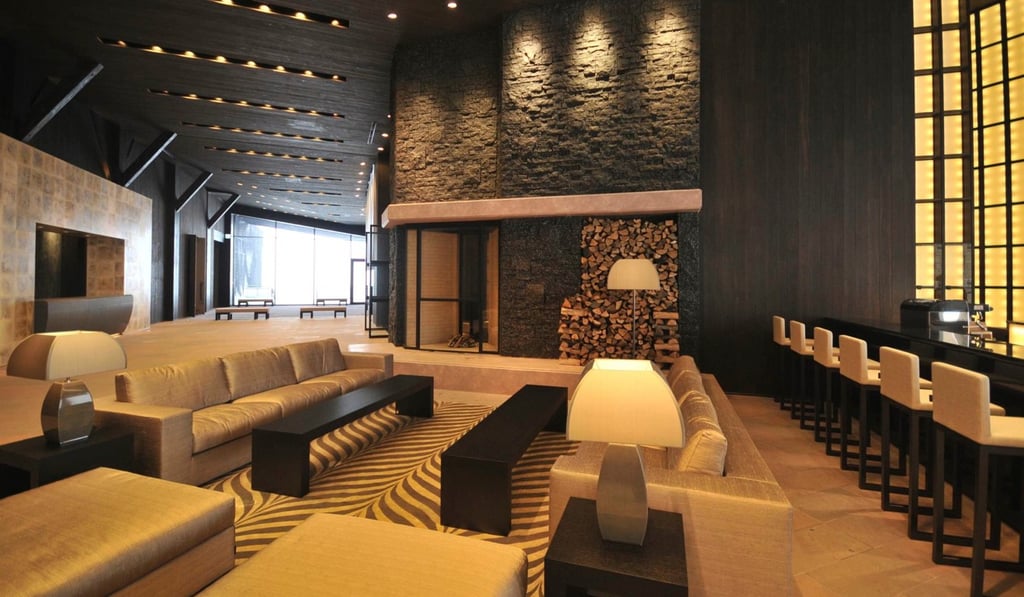
Hong Kong has played a role in that transformation. Tossani’s first project in Niseko was the master plan of the Hanazono resort, the site of which was later bought in 2007 by Richard Li, the son of billionaire Li Ka-shing and chairman of Pacific Century Premium Developments. Li has so far invested 100 billion yen (US$930 million) in the project, where he is now building two hotels (one of them a Park Hyatt), an onsen and 3,000 apartments.