Designed for the circular economy, this furniture will never end up in landfill
- Niche brand start-ups like Van de Sant, Pentatonic, ecoBirdy, and Vepa/Ocean Plastic upcycle existing resources, including discarded waste, into furniture
- Industry disrupters, they turn textiles, foam, and plastics, from coffee cup lids to old toys and CDs, into items customers can return for recycling

In 2012, when Robert Milder launched his outdoor furniture brand, Van de Sant, he avoided disclosing what it was made of.
The now 45-year-old Dutch designer had gone to much effort to establish his fully circular-economy furniture company, but consumers weren’t ready to accept marine waste upcycled as premium furniture. How the tide has turned.
Today, Van de Sant is among a growing number of furniture start-ups proudly wearing their sustainability credentials on their sleeve. Simply recycling is not sufficient for these niche brands, which are pioneering the circular economy through design.
“Circular” furniture is made from resources already in existence, via a low-carbon process. Its production provides jobs in local communities, and even at the end of a piece’s life cycle it never ends up in landfill. Circular companies offer to buy back furniture from current owners, to be refurbished and sold on to new owners.
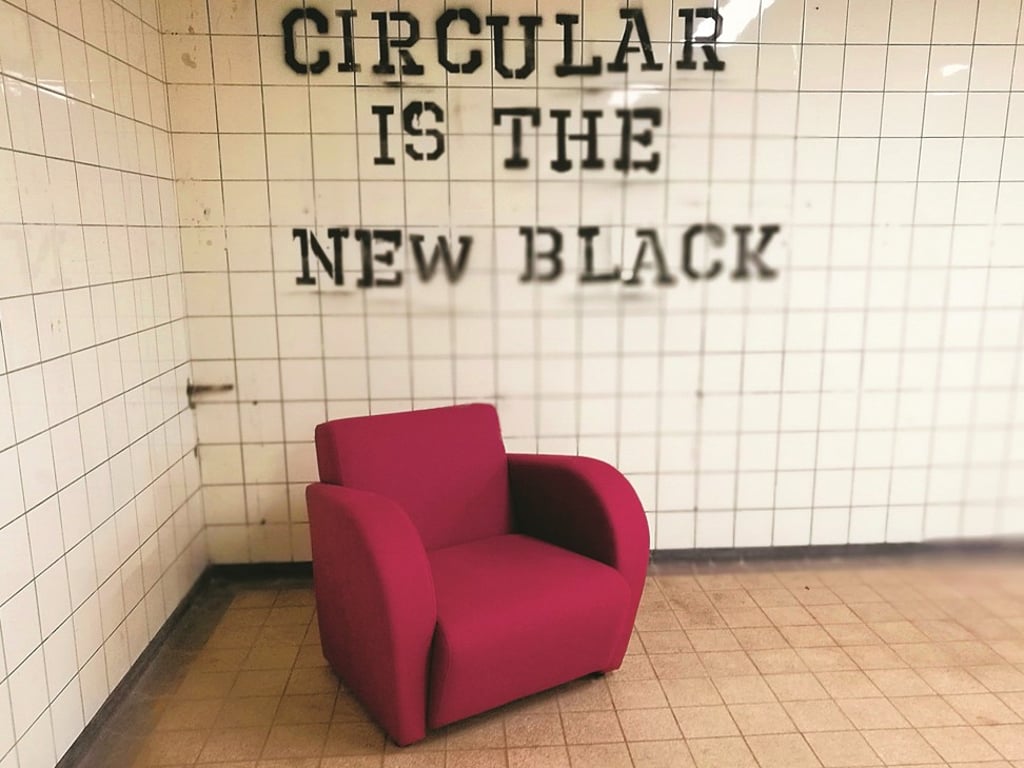
Industry disrupters like Van de Sant, Pentatonic, ecoBirdy, and Vepa/Ocean Plastic are motivated by staggering environmental numbers: an estimated eight billion trees are cut down annually for furniture production (legally and illegally), while eight million tonnes of plastic waste is dumped in the world’s oceans each year.
Milder, who says he sourced these numbers from various environmental NGO sites, breaks this down. “One of our lounge chairs utilises 25kg of plastic waste,” he says. “Compared with traditional manufacturing, its production reduces 50kg of carbon emissions, avoids the 25kg of wood required, and saves 8,000 litres of water per piece.”