The Gilded Age brings alive New York’s cultural awakening in the glory of its Beaux Arts buildings, from the Public Library to the Met
- HBO series set in the era of America’s renaissance after the civil war is a showcase for New York’s Beaux Arts buildings, funded by its ‘new money’ aristocrats
- The Rockefeller, Carnegie, Frick and Astor families among others funded lavish mansions and buildings such as the Met, Penn Station and Grand Central Terminal

“What surroundings, Mrs Russell. We could be at Tsarskoye Selo,” exclaims Nathan Lane’s snooty Ward McAllister at his first glance of her opulent Fifth Avenue mansion on The Gilded Age.
The social arbiter’s reference to an 18th-century palace outside St Petersburg, Russia, is lost on the new-money Bertha, but the point was made: the series on cable channel HBO Max has brought alive America’s post-civil-war renaissance and New York’s cultural awakening in all its Beaux Arts glory.
Thanks to this powerful ruling class and their architects, the period roughly spanning the 1870s to the 1930s produced some of New York’s finest structures.
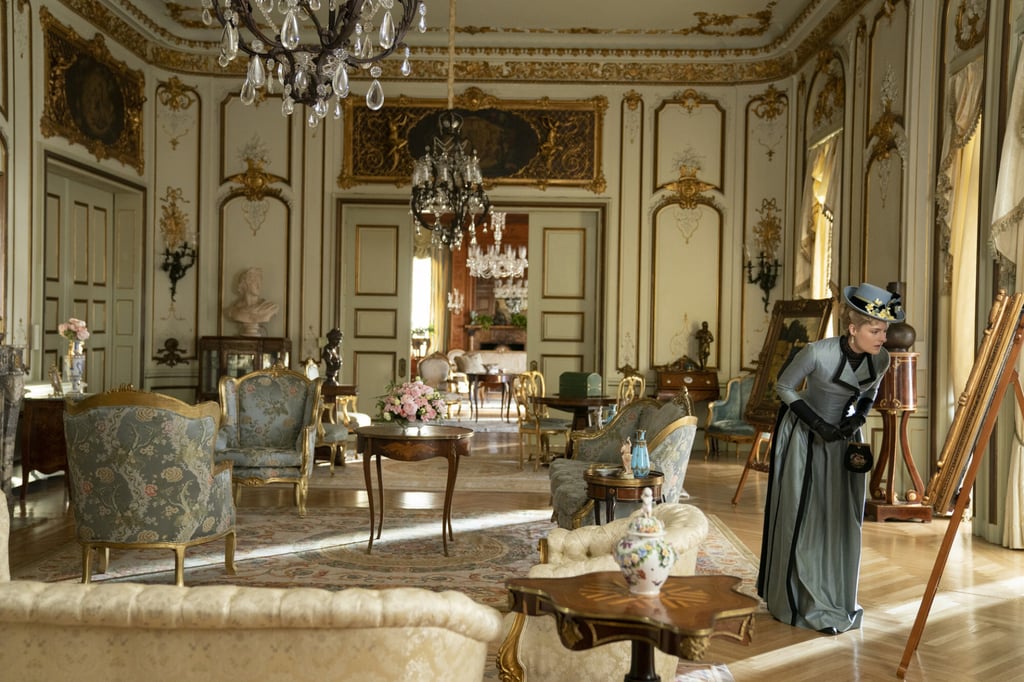
Beaux Arts at its best includes buildings like The Metropolitan Museum of Art, the Morgan Library & Museum, the Woolworth Building, Grand Central Terminal, Pennsylvania Station, the main branch of the New York Public Library, The Frick Collection, Grant’s Tomb and select mausoleums in Woodlawn Cemetery, where some of the players rest.