Can the Busan International Film Festival help Korean cinema stay on top?
BIFF’s new director sees the festival as an antidote to shrinking cinema audiences and a beacon for where Asian cinema is headed

The crown jewel of the Asian film festival circuit, the Busan International Film Festival (BIFF) returns this year for a landmark 30th edition, running from September 17 to September 26.
It also features a new festival director, with Jung Han-seok, formerly a programmer at the festival, stepping up to fill a post that has remained empty for the past two years.
Opening its doors in 1996, BIFF immediately cemented itself as a major institution for Korean cinema just before the industry’s local rise in the late 1990s and subsequent global boom in the 2000s.
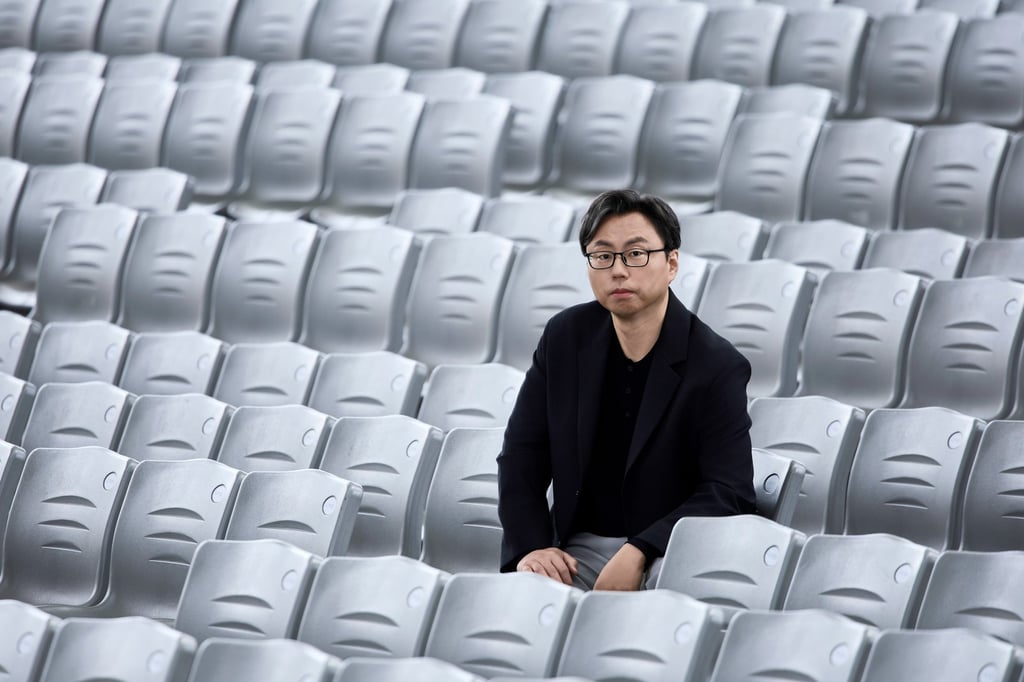
Beyond BIFF’s intrinsic role in the Korean film industry, Jung points out in an interview with the Post that the festival is also “firmly carrying its role of representing Asian cinema”.
This year, the festival is staging a special “Defining Moments of Asian Cinema” programme, featuring many luminaries of the Asian film industry.