K-pop fan groups may spread misinformation, like some other online communities – especially in defence of their favourite idols
- A mass defence of their favourite star, no matter what, is common among K-pop fans when an idol is facing the consequences of an alleged transgression
- It’s not a new phenomenon, says Dr Crystal Abidin, an academic, but one that’s garnered attention as K-pop has gone global and ‘fake news’ has become an issue

Whether they are supporting a political viewpoint or defending their favourite acts on social media, K-pop fans increasingly quote “alternative facts” to defend their heroes.
“It is hard to see the defendant was not aware of financial payments paid to the women for sex. It appears that he carried out systematic sexual prostitution,” said judge Hwang Min-je in pronouncing Seungri’s guilt.
Immediately after the sentencing, social media was full of posts claiming Seungri was a victim of injustice and seeking to undermine the case against him. Many supporters, largely non-Korean fans of Seungri, began to use four-leaf clover emojis to wish him good luck, while also sharing posts declaring his innocence and claiming the court proceedings were falsified.
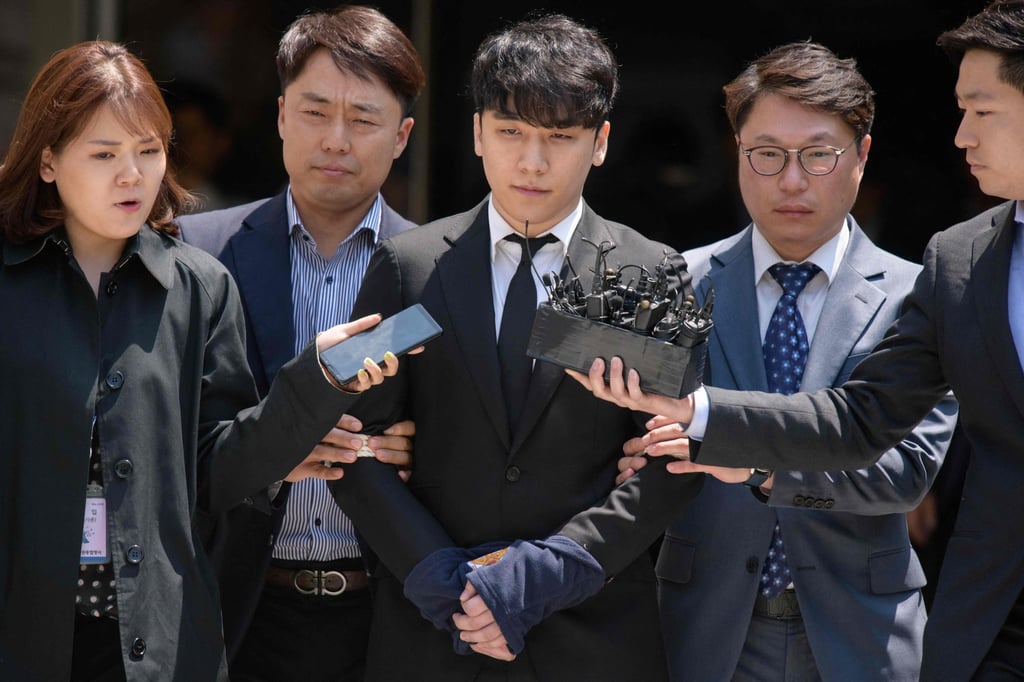
To them, Seungri was the scapegoat for the crimes of others. His prosecution is part of a series of interrelated cases surrounding alleged crimes linked to the Burning Sun nightclub in Seoul. He is the latest of several individuals to have faced court in relation to them.