7 movies from 1950s that tell Korean cinema’s ‘unexpected success story’ showing at Far East Film Festival in Italy
- This year’s Udine Far East Film Festival, in Italy, in collaboration with the Korean Film Archive, is showing 7 films made in Korea during the turbulent 1950s
- The programme aims to introduce the world to Korean films beyond Oldboy and My Sassy Girl. A YouTube channel shows the movies for those who can’t make the event

Every spring in Udine, a charming medieval town facing the snow-capped Alps in northeastern Italy, cinephiles and filmmakers gather for the Far East Film Festival (FEFF), Europe’s grandest celebration of Asian cinema.
For this year’s 26th edition, FEFF has partnered with the Korean Film Archive (KOFA) to celebrate the latter’s 50th anniversary in a special programme, titled “50/50: Celebrating 50 Years of Korean Film Preservation”, which takes a journey through South Korea’s formative cinematic output from the 1950s.
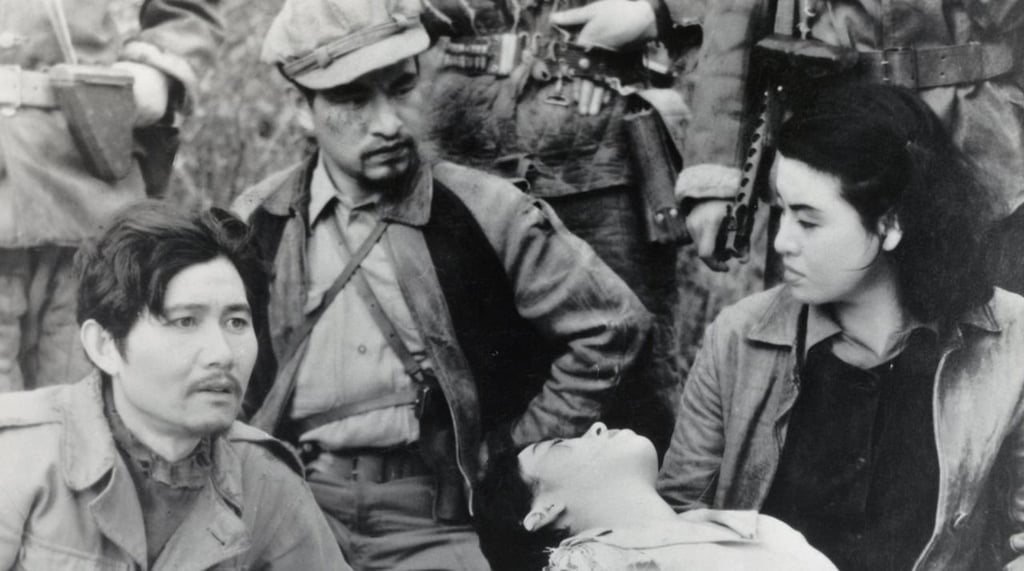
Of course, contemporary Korean cinema did not emerge from a vacuum, and today’s Korean masters stand on the shoulders of domestic cinematic giants.
The KOFA, which was founded in Seoul in 1974, has been preserving, restoring and reintroducing historic Korean films for the past half-century.