BTS coronavirus insult shows the media and entertainment worlds are overdue a reckoning with their tolerance for racism
- A German radio host’s comparison of the K-pop stars to a virus is one of three examples this week that reflect poorly on Western entertainment industries
- It is everyone’s duty to help create more inclusive, accepting spaces for artists and audiences where racism and hate have no space – before any outcry

A German radio show host recently compared K-pop phenomenon BTS to a virus that needed a vaccine because he didn’t appreciate the band covering Coldplay on MTV Unplugged.
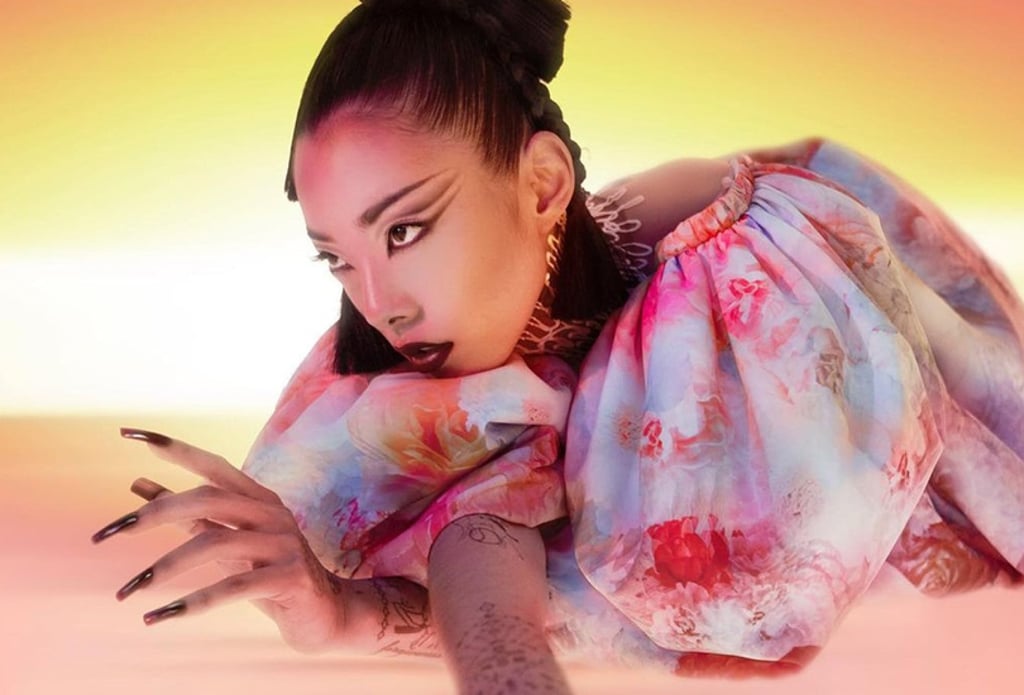
A day earlier, the Brit Awards and the Mercury Prize announced changes to their rules after a long-term UK resident and pop star, Japan-born Rina Sawayama, pushed for more inclusion after being kept out of the running for prizes for not being a British citizen.
And the month of February as a whole – during which Black History Month is commemorated in the US – ended with the American awards show the Golden Globes facing numerous race-related issues, including American immigrant story Minari being considered a foreign film and the voting pool of the Hollywood Foreign Press Association having no black members.
Entertainment and art have long been considered liberal realms, but the teeth of white supremacy are sunk deep into historic institutions, and the above three examples from the past week alone reflect how poorly the media and entertainment industries of the Anglosphere is failing to rise to the occasion and hold themselves accountable. They also show that much work needs to be done at a time when hate and racism are rampant – and often deadly.
In each of the recent situations, a public outcry – not industry norms or old-fashioned morals – resulted in change. In future, the media and entertainment industries need to be more inclusive and provide a voice for those at risk rather than serve as a platform for those causing harm, without having to be backed into a corner to make change. Institutionally, the industries need to be more progressive than reactive.
The decision to change the Brit Award and Mercury Prize rules was ultimately made by the British Phonographic Industry after Sawayama called it out last year for telling her she wasn’t “British enough”. The XS singer has lived in the UK for more than 20 years, but because she retains a Japanese passport and her country of birth doesn’t recognise dual citizenship, she isn’t a British citizen.