Seashells lost from beaches because of tourism, but tourists not at fault
A study found crucial shells were disappearing from a Spanish beach, but it didn't blame theft
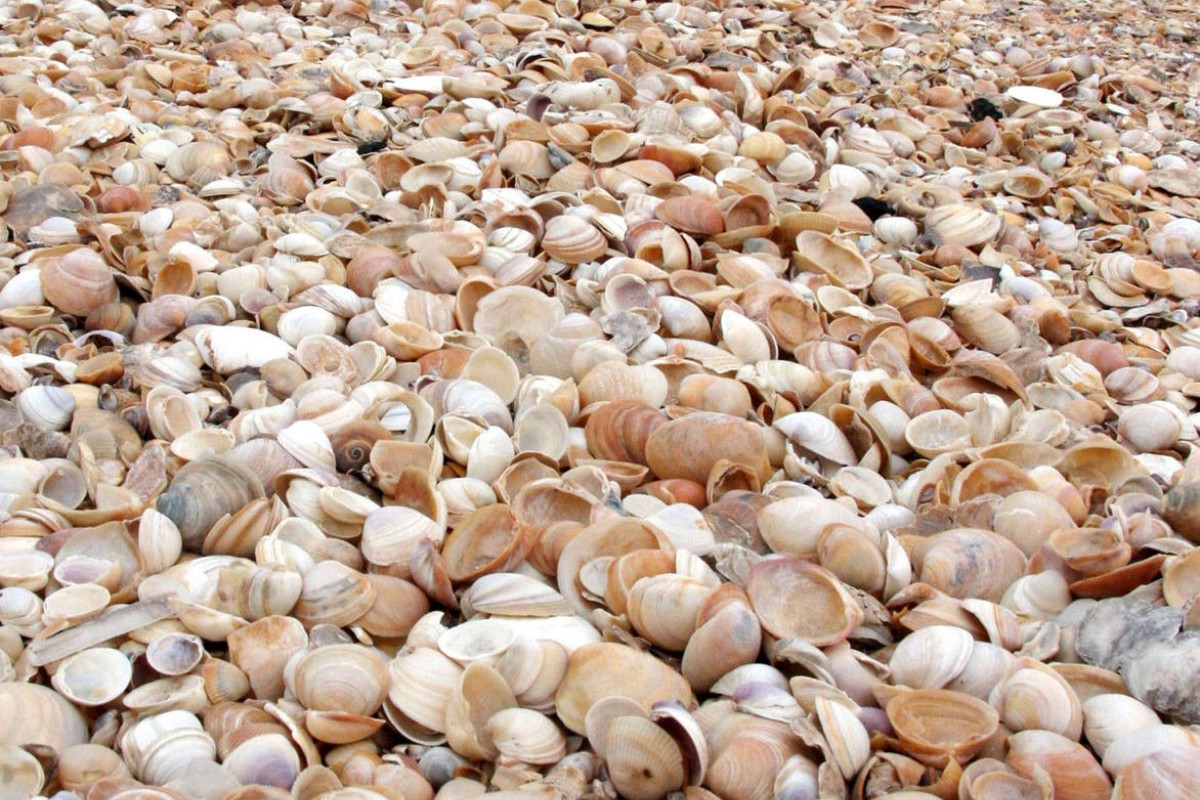
You might think twice next time you snag a seashell from the beach and drop it into your pocket: You might be altering the seaside environment.
The study focused on a stretch of coastline on Spain's northeastern Mediterranean shore called Llarga Beach, where the researchers conducted monthly surveys of seashell abundance between 1978 and 1981.
At the time they weren't thinking of ecology: they were doing paleontology research, to understand what happens to shells after the organisms that inhabit them die.
"Only later did our research group realise that this quantitative data set offered us a unique opportunity to evaluate changes in shell abundance on a beach that was increasingly frequented by tourists," said Michal Kowalewski, a curator at the Florida Museum of Natural History in the US and the leader of the study.
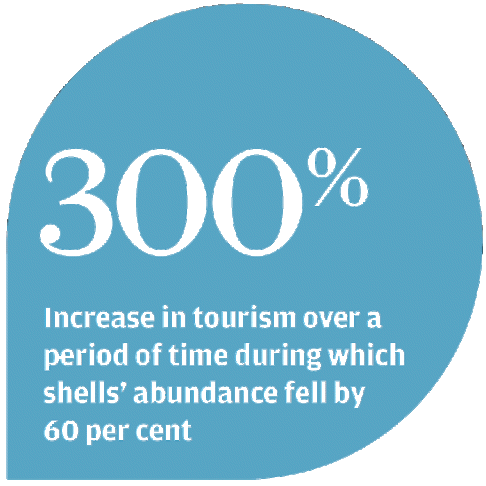
The researchers returned to the same beach three decades later. They found that the abundance of seashells had decreased by 60 per cent while tourism had increased in the area by 300 per cent. Even though other factors might play a role in the shells' decline, it is hard not to think that human behaviour is to blame for the decline in seashells.