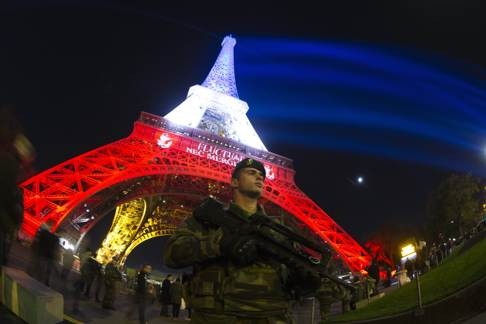
Is it safe to travel to Paris and other European cities after IS attack?
After the recent terrorist attacks and news that terrorist groups are planning new outrages, travellers are looking for safety and insurance advice

With the holiday season looming, many travellers are faced with the same questions: is it safe to travel, particularly to Europe? If I go, what should I know? If I cancel, what will I lose?
Travel may seem riskier, particularly in light of the worldwide US State Department alert issued last week, which cautioned of a “possible” risk to travellers from the Islamic State, al-Qaeda, Boko Haram and other terrorist groups. The government warned that the groups are planning terrorist attacks in multiple regions, while in November, Hong Kong urged residents to avoid non-essential travel to Paris and the Ile de France area.
“While the new terrorist attacks in Western Europe are troubling, it remains one of the safest areas in the world,” says Scott Hume, associate director for security operations at Global Rescue, a travel risk and crisis management firm. “Statistically, car accidents and illnesses are still the greatest threats to travellers – not terrorism.”
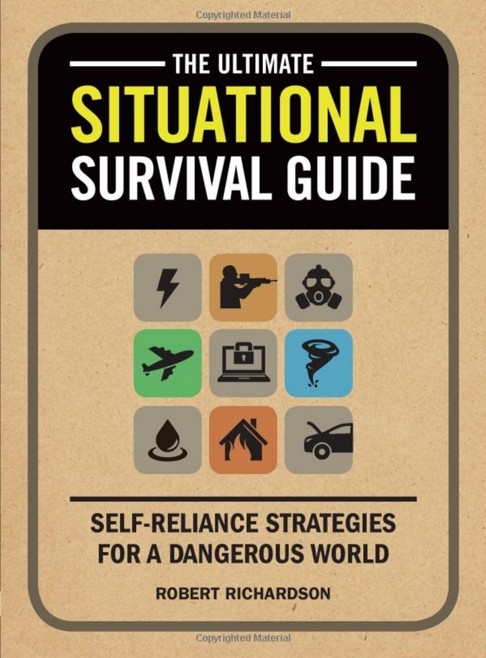
Robert Richardson, author of Ultimate Situational Survival Guide: Self-Reliance Strategies for a Dangerous World advises travellers to do their homework. “You can learn a lot about potential threats just by researching areas that you plan on travelling through,” he says. Terrorists sometimes make specific threats that they subsequently carry out, he says, “so be aware of what's being said and take it seriously.”
Travel insurance doesn't always cover terrorist attacks. Experts say you should check for a terrorism-related clause before purchasing a policy. Some allow you to cancel and receive a refund, but the incident must happen within a specified time period and close to the place you plan to visit. “Cancel-for-any-reason” policies are more expensive but guarantee that you will be refunded a percentage of the cost of your trip.