In pictures: a potted history of Causeway Bay, ever-changing heart of Hong Kong
From bustling shipyard and sugar processing site to one of the world’s great shopping precincts – but whatever happened to the city’s whisky distillery?

Before there was shopping, there was industry. Causeway Bay today might be known for its chain stores and shopping malls, but in Hong Kong’s early years it was where sugar was refined and ice was manufactured.
It’s a lesson in just how radically Hong Kong has transformed since 1841, when the British first took control of it. Over the past 176 years, Causeway Bay has changed vocation and even physical form, as the geographical features that once defined it were altered and removed. At the same time, the area is a reminder that at least one thing hasn’t changed at all: whoever owns the land controls the city’s destiny.
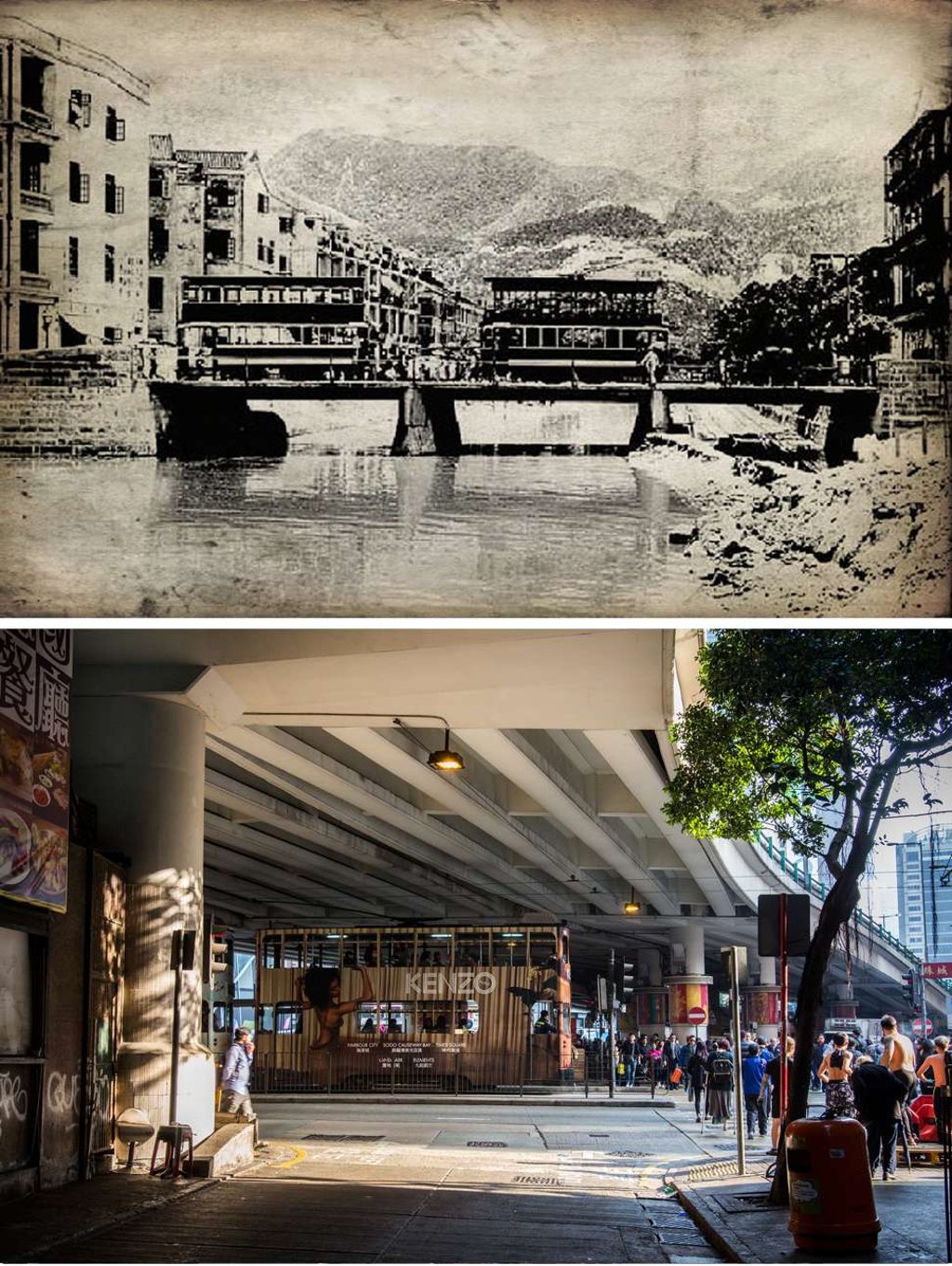
The British began to sell off pieces of Hong Kong just a few months after their arrival. One of the first plots to go was 57,150 sq ft of East Point, a cape that extended out into a silty body of water that later came to be known as Causeway Bay. A Canton-based trading firm called Jardine, Matheson & Co snatched it up for £565 and built an office on the edge of the point. The following year, it built a new headquarters known as the Palace, which sat on a hill overlooking East Point.
The company’s taipan – literally “big boss” in Cantonese – took up residence, watching the land below transform into a bustling collection of shipyards, warehouses, factories and shops. One of Hong Kong’s earliest street markets took form along a narrow street called Jardine’s Bazaar. A sugar refinery was built in 1878, a few years before Jardine’s nemesis, the Swire company, built a rival refinery in Quarry Bay. The refinery was joined in 1880 by an ice factory, which provided Hong Kong with its first locally made frozen water, eliminating the need to import it all the way from New England (whose ice harvesting companies had dominated the global ice trade for most of the 19th century).