Tiger safaris in India – what you need to know about seeing the stealthy, scarce and spectacular big cats
The world’s biggest cats are hard to spot, but there are ways to increase your chances of success

Going on safari to India to photograph tigers in the wild is an unrivalled experience. These are the world’s largest cats. They are stealthy, solitary, spectacular and scarce.
But sighting one in its natural habitat is never a sure thing. “All wildlife viewing is opportunistic and needs a certain amount of luck,” says Toby Sinclair, an expedition leader with Natural Habitat Adventures in Delhi.
Here are some things to know when considering a tiger safari.
When to go
You can tilt the odds in your favour by arriving when the escalating heat of late spring drives tigers from the thick jungle scrub to more visible waterholes. Some national parks and wildlife sanctuaries are especially rewarding for visitors during the hot months of April to mid-June, Sinclair says.
“This is when the water is limited to a few pools and the animals, both prey and predator, have to come to drink water at least twice a day,” he says. “It is also the time when much of the grass and undergrowth has died back so the areas of view are generally better.”
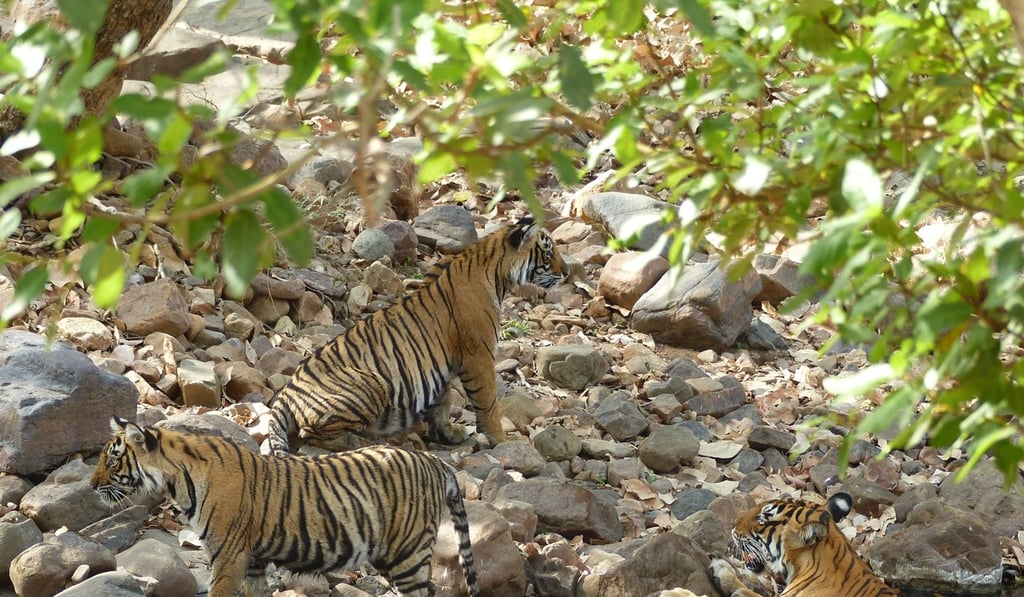
There’s a trade-off, though. In India, wildlife photographers generally travel in open safari vehicles. That makes it easier to spot bird and animal life high in the tree canopy. But it also exposes you to the punishing sun, making dehydration a possibility with temperatures reaching 46 to 48 degrees Celsius.