Asia’s luxury hostels for the ‘flashpacker’ generation are classy but cheap
The baby boomer generation has spawned a new breed of traveller who demands deluxe dorms and hotel-like facilities. We take a look at how the ‘poshtel’ movement is taking off in budget traveller magnet Southeast Asia

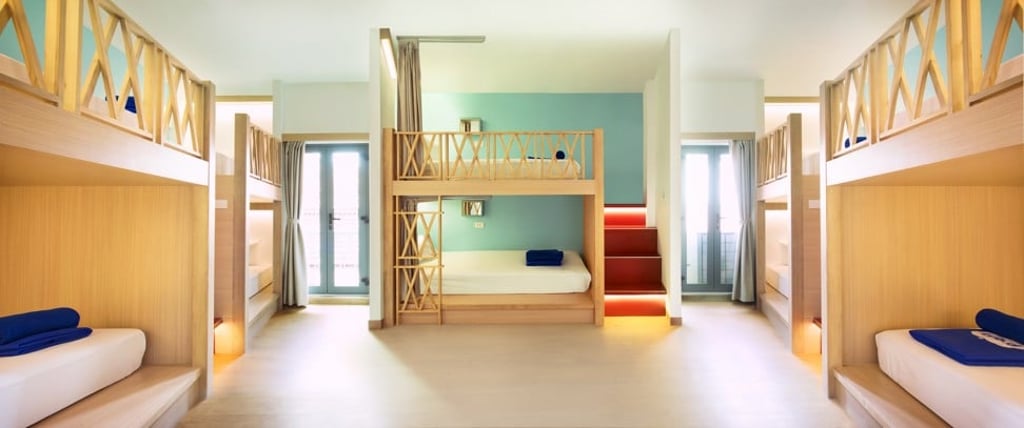
It’s hard to believe that the art deco-style building housing a selection of spacious, bright dorms and rooms, each with a clean minimalist design, is a hostel. The big outdoor pool, in-house bar and trendy vibe are a stark contrast to your regular hostel, where bunk beds are stacked unimaginatively in dank rooms and the thought of a trip to the toilet sends shivers down one’s spine.
Angkor boutique hotel – luxury with a conscience
This is a poshtel (“posh hostel”), Thai-based hostel brand Lub d’s latest offering, which opened in Siem Reap, Cambodia, in September. It offers 120 beds (from US$9 a night) arranged in mixed or ladies-only dorms, each with 10 beds and individually designed with a somewhat futuristic feel: clean lines, uncluttered, bright spaces and block colours. There are also 72 private rooms (from US$29 a night) with en suite bathrooms, a pool with a bar, co-working space, a games area, laundry room and restaurant.
The hip hostel caters to growing demand in Southeast Asia for higher-quality budget accommodation.
“It’s all about offering hotel standards with the laid-back, friendly vibe – and cost – of a hostel,” says Lub d’s marketing director, Yossawon Puangchanpetch.
Carolyn Childs, co-founder of My Travel Research, says such accommodation caters to a new breed of traveller – the “flashpacker” – an evolution of the backpacker the baby boomer generation gave birth to.
Travelling with their smartphones, they want to discover, post unique experiences and unordinary things
“While many have moved on, there are many that remain attracted to the idea of being a backpacker, but these days they are ‘flashpackers’; they enjoy the values of hostels, but with a little more money are prepared to pay extra,” she says.