Chinese ‘zero dollar’ tour companies dodge Thai crackdown – and travel agencies defend the practice
Welcomed during Thailand’s economic slowdown, such ‘forced shopping’ tours are frowned upon for tainting visitors’ image of country; if ban won’t stop them, the growing trend of individual travel from China may see them die out

Whenever you go to Thailand these days, hordes of Chinese tourists can be spotted chatting noisily as they queue at Bangkok’s Suvanabhumi airport for visas.
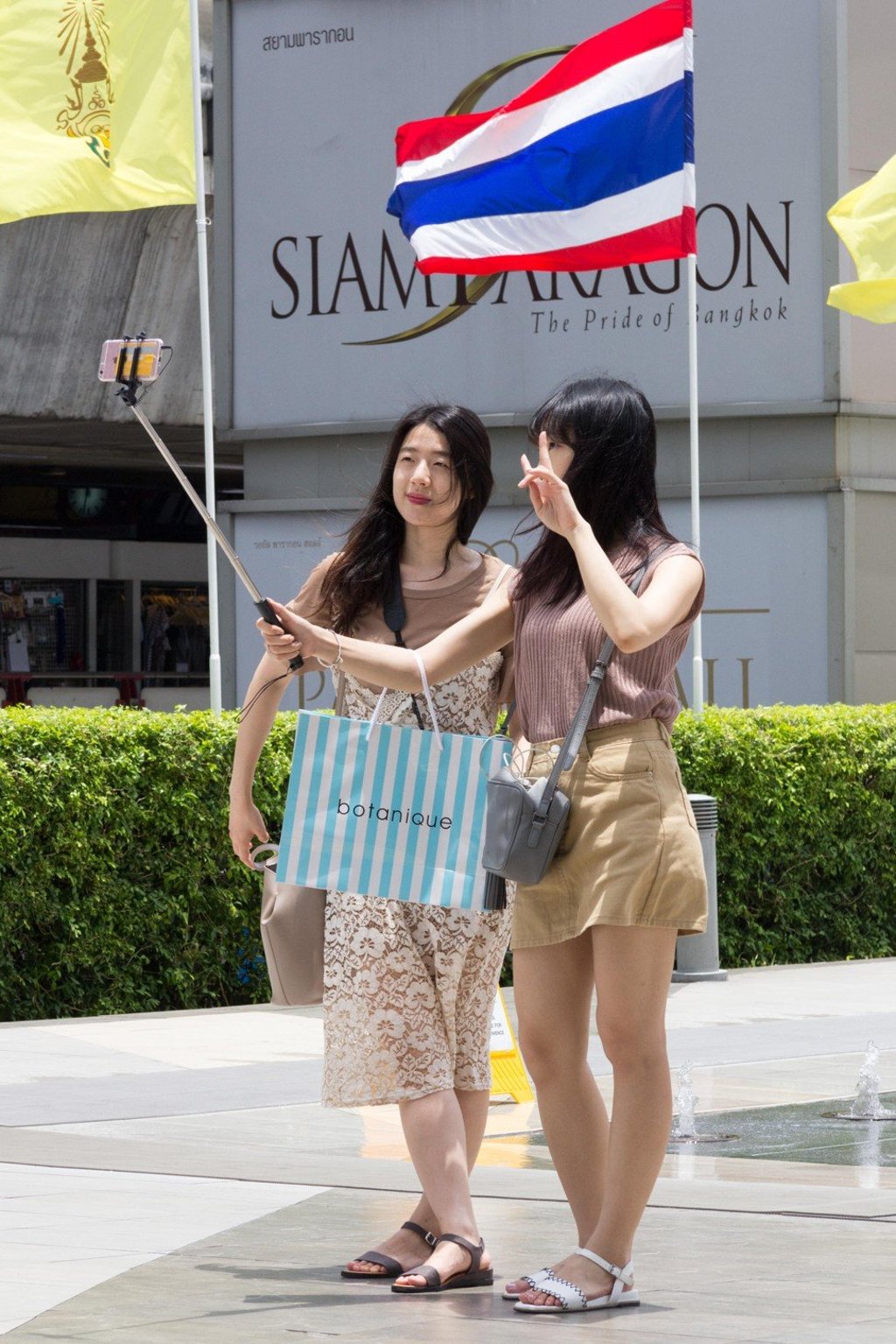
You’ll see them ordering 40 baht (US$1.30) bowls of noodles at roadside stalls, shopping in the malls, and posing for group selfies at temples. They can also be seen checking in at various hotels or sharing photos on their smartphones as they board and disembark from coaches in major tourist destinations such as Bangkok, Pattaya, Phuket and Chiang Mai.
Chinese tourists in Thailand, Vietnam ‘dumped’ if they shun forced shopping trips, state media reports
Although the Thai government has been actively courting the Chinese market, as a result of which Chinese visitors made up about 8.7 million of the 34 million tourists to Thailand in 2016 – a 10.3 per cent increase from 2015 – there are a number of factors behind the increased tourist traffic from China.
The uptick in arrivals from China has widely been attributed to the phenomenal success of a 2012 Chinese road movie, Lost in Thailand, but there’s also the favourable exchange rate between the Thai baht and Chinese yuan, a growing Chinese middle class whose incomes are rising and who are eager for travel and adventure. Tying it all together is the availability of so-called zero-dollar tours that are touted as great holidays at fire-sale prices.
However, these popular package tours – organised by proxy companies with Chinese owners, but registered in Thailand – have been controversial. Once welcomed because they brought more tourists into the country at a time when the economic outlook was bleak, the Thai government had a change of heart a little over a year ago and announced a crackdown on operators, saying they harmed the country’s image.