Breakfast bars in Taiwan: more American than New York diners, but battling to go upmarket as big franchises move in
Fast and simple is how Taiwanese commuters have always liked their Western-style breakfasts, but amid intense competition, breakfast bars face pressure to serve more nutritious food in cleaner, more welcoming surroundings

Chen Lu-yan, a 22-year-old university student in Taipei, eats largely Western food for breakfast: it might be a thinly sliced burger or an egg, bacon or spaghetti, it doesn’t matter. He finds this fare easier to stomach after realising than Taiwan’s staple of rice-based food prepared Chinese style, or traditional local breakfast combo of soy milk, a bun and a tea egg was too much for him.
“When I get up, I want to feel full, but I can’t handle that much,” says Chen, who frequents a breakfast bar near his flat and orders just one dish per meal there. He goes out for the meal to ensure it’s “fresh and hot”. A result that takes longer if made at home or in a Chinese-style restaurant, but breakfast bar chefs spend less than five minutes to prepare his order.
Taiwan’s secret surfing paradise and artist’s haven getting more popular by the day
Chen has eaten like this as far back as he can remember, just like his parents, a lot of his neighbours and a giant swathe of Taiwan’s overall population. Their habit explains why Taiwan has tens of thousands of diners commonly known as “breakfast bars.”
Breakfast bars populate every urban neighbourhood in Taipei, competing largely on price, sometimes with three or more per city block. Griddles placed near the loud, hardscrabble diner entrances attract people with the scents of waffles, sausages and brewed coffee.
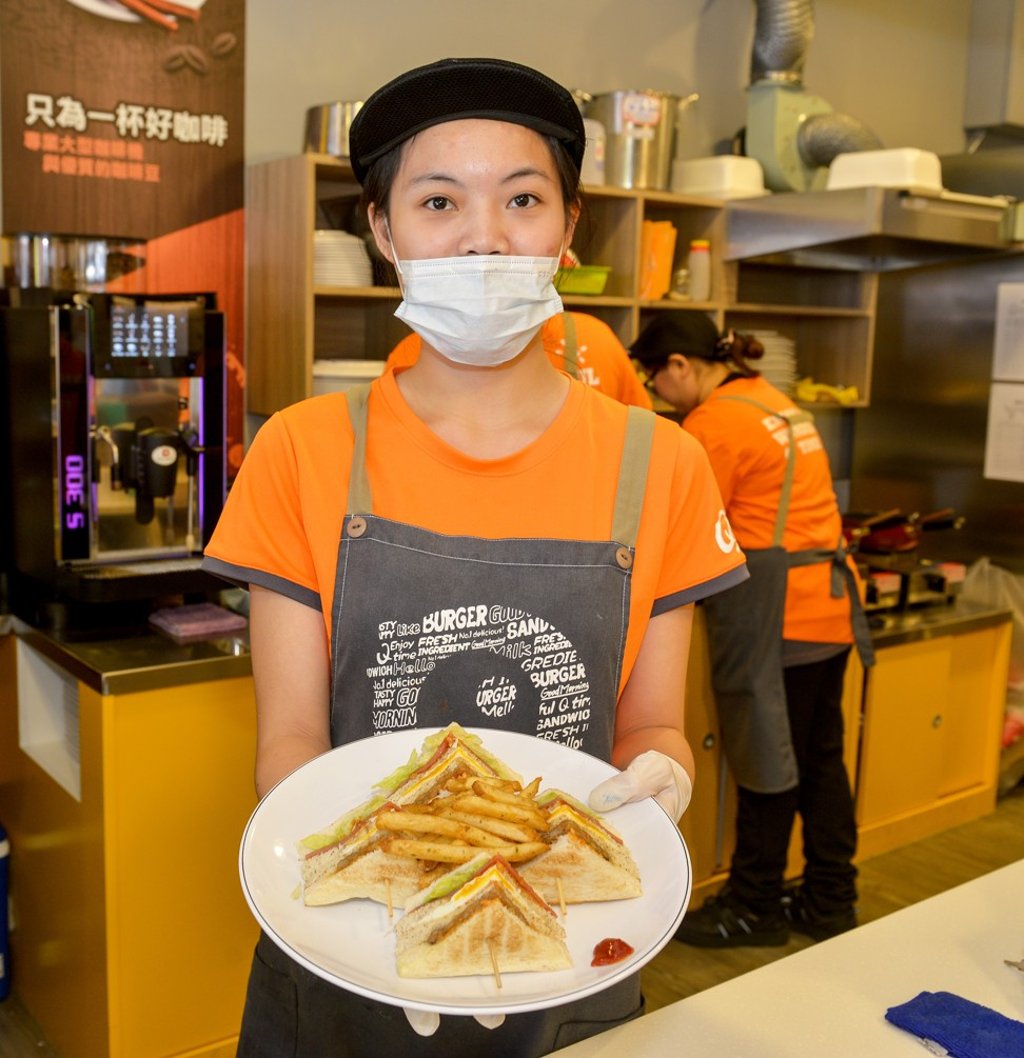
“The trend is that Taiwan’s salaries aren’t going up, yet people going to work are interested in quality and convenience,” says Cheng Rui-bin, chief executive officer of the QBurger chain of breakfast bars in northern Taiwan. “Because the salaries are low, everyone’s really busy. This is the age of busy, so people are always working.”