Amazon drug tourism in Peru and Colombia thriving despite tourist killings
Tourist deaths involving the drug ayahuasca, a hallucinogenic elixir which has been used for hundreds of years by people in the Amazon region, has not stopped people travelling there to experience its effects

Sitting on a mattress strewn across the floor of a straw hut, Pamela Moronci closes her eyes while a traditional healer starts to chant in the indigenous Shipibo language.
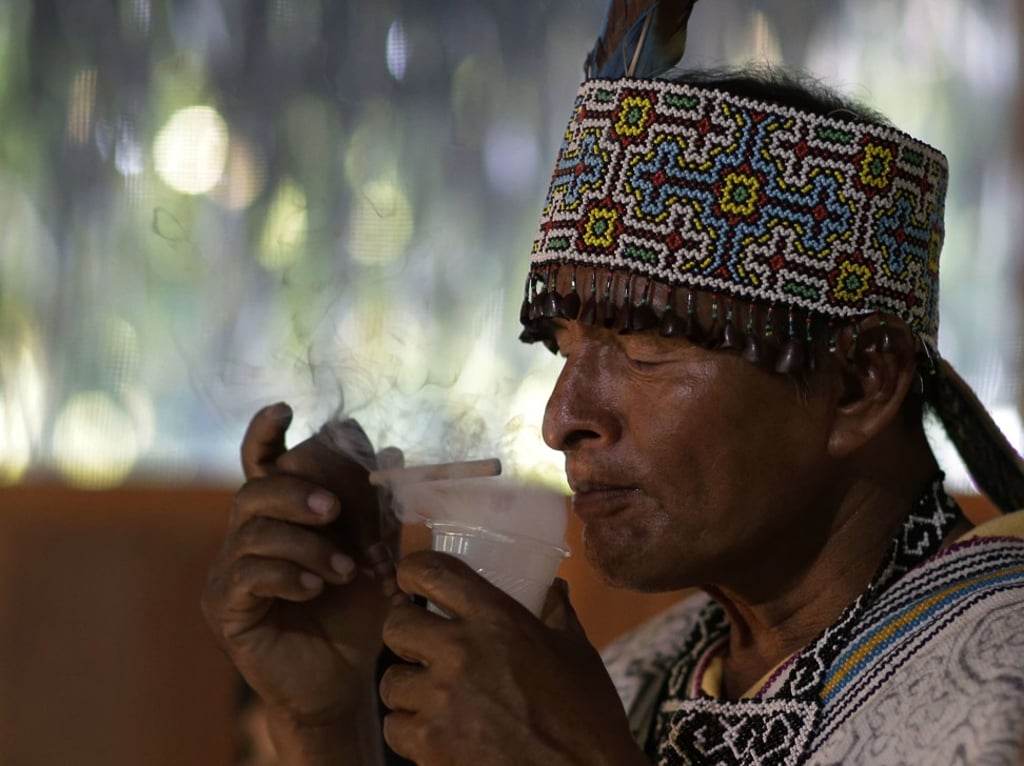
Engulfed by the night time cacophony of the Amazon rainforest, a shaman inhales a potent tobacco from a pipe and blows smoke on Moronci’s head to cleanse her, before she takes her place in a sacred ayahuasca ceremony. He offers the Italian woman a plastic cup with three ounces of a bitter, muddy brew made of psychedelic vines. Moronci drinks it, coughs and smiles despite its unpleasant taste.
“There is a really strong energy here,” she says, before falling asleep, amid the chirping of crickets and thundering rain.
Every year thousands of tourists visit jungle retreats in Peru, Colombia and Ecuador to try ayahuasca, a hallucinogenic elixir made of native plants that is thought to heal some mental illnesses. But while Moronci and others say they have found peace and enlightenment, for a few seekers the experience has been fatal.
And as more Westerners seek out the legendary curative, commercialisation has taken over as profit-seeking impostors pop up among the dozens of legitimate ayahuasca centres that have emerged over the years.
Over the past decade at least 11 tourists have been killed in incidents linked to traditional medicine in South America, according to news reports, including a California man who was buried secretly by a shaman after he died in an ayahuasca ceremony in Peru.