Hope for the hutongs: five of the best historic lanes in Beijing – reimagined for visitors, renovated for locals
- Most of the Chinese capital’s ancient alleyways have been razed, but increasingly the social and heritage value of those that remain is being recognised
- From hip to authentic, we visit five of the best hutongs to take in on your next visit to Beijing

The atmospheric narrow alleyways, or hutongs, of Beijing, which represent traditional life in the Chinese capital, are a major draw for visitors looking for a flavour of the old city – but they are disappearing fast.
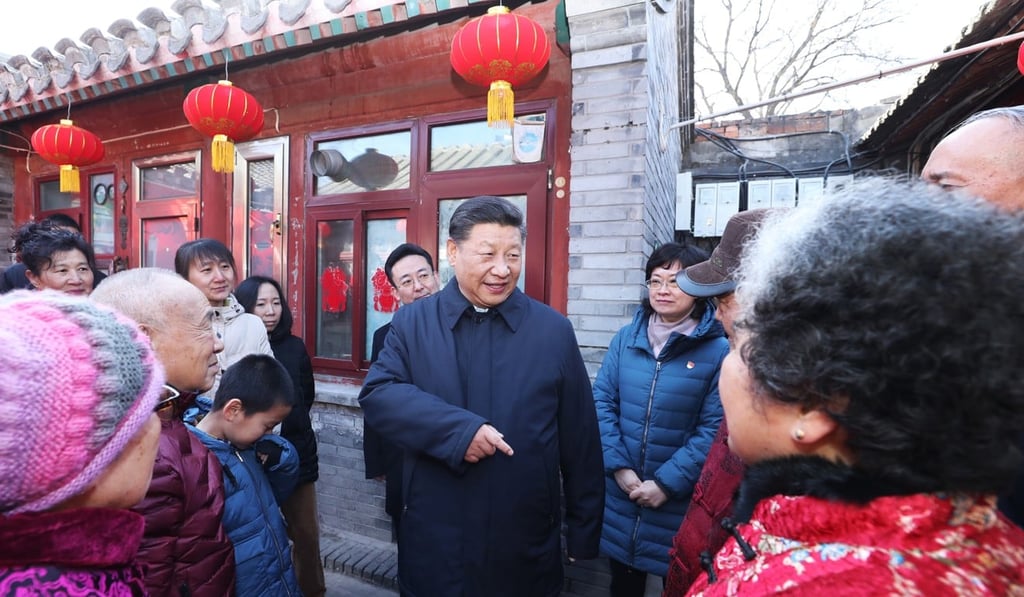
That trend might change following a visit made to a hutong on February 1, 2019 by Chinese President Xi Jinping.
While touring a hutong in the Qianmen district, to the southeast of the Forbidden City, Xi ordered efforts to protect cultural heritage sites and conserve traditional culture while renovating the city’s old areas, Chinese state media reported.
Xi dropped into two courtyards along the hutong, inquiring about the living conditions of local residents after the completion of renovation projects in the neighbourhood. It was a symbolic chop of official approval for the historic lanes.
Unesco estimates that 86 per cent of the hutongs have been destroyed, a price paid for the city’s frantic development and modernisation over the last 40 years. The residential lanes formed by rows of siheyuan, or traditional courtyard homes, once radiated outwards in a rectangular grid pattern from the Forbidden City, and social status was indicated by the residence’s proximity to the centre of the celestial kingdom.
Most of the hutongs and the courtyards have been ripped down to make way for multi-lane motorways and sterile municipal tower blocks. Just a few kilometres from the magnificent architectural marvel of the Imperial Palace, the Beijing urban landscape can feel utilitarian and austere.