Indian tiger safaris in Madhya Pradesh: patience rewarded as The Jungle Book comes alive
- India is home to around 70 per cent of the world’s remaining wild tigers
- Visitors to Madhya Pradesh state doubled in 2017 after the live-action film of Rudyard Kipling’s The Jungle Book was released

I’m swaddled in blankets to fight the predawn chill as I bump down the dusty dirt roads of India’s Kanha National Park in an open-air safari jeep.
My guide, Prabhat Verma of PureQuest Adventures, is brimming with optimism. But it’s my third trip past the park’s green gates, and I’ve yet to lock eyes with the creature I have come to meet.
You can go to Africa for cheetahs or lions, but for Bengal tigers, your best bet is the wildlife reserves at the heart of the Indian subcontinent in the so-called “tiger state” of Madhya Pradesh. Somewhere up ahead are nearly 100 of these regal cats, who prowl 930 square kilometres (360 square miles) of pristine Indian wilderness. Even so, there are no guarantees I’ll see one.
Straddling the Maikal Hills of the Satpura Range, Kanha is a vast landscape of sal tree forests and wide-open savannahs that is a four-hour drive from the nearest airport, in Raipur, the diminutive capital of neighbouring state Chattisgarh.
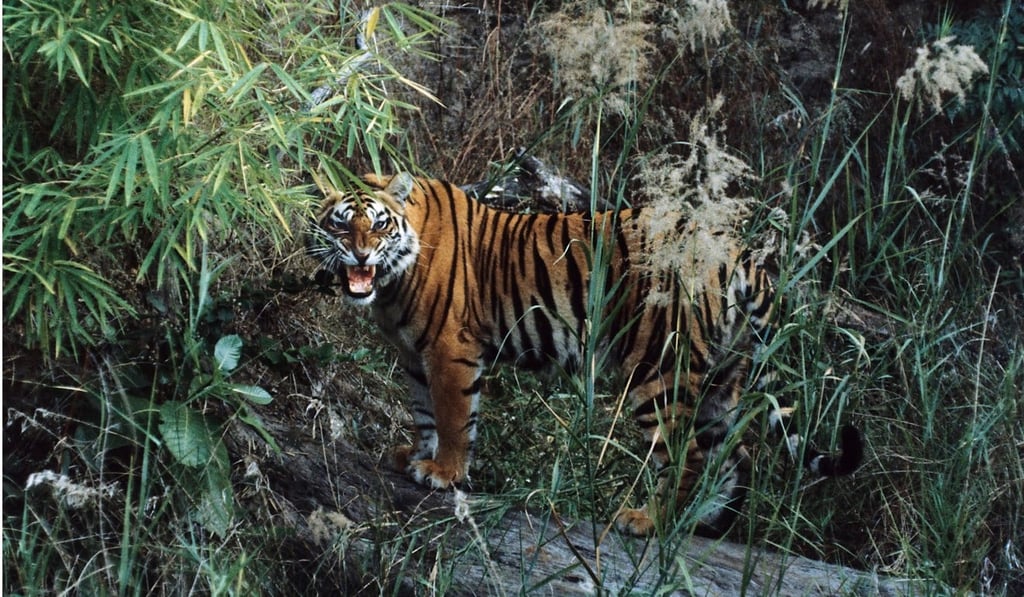
On morning and afternoon safaris the day before, we followed fresh tiger tracks in the park’s talc-soft dirt to dead ends. The spotter in my safari jeep flicked his binoculars left and right, though his ears were doing the real work. He heeded the warning calls of langur monkeys (who scan the perimeter from treetops) and spotted deer (who smell tigers from a mile away) – all to no avail.