Air rage: how it differs in West and East, and why Chinese passengers are in a league of their own
- Asians are more tolerant of discomfort, Westerners are prone to drunken brawls, and no one behaves quite like unruly Chinese passengers
- Inexperienced travellers who throw coins in engines or try to open emergency doors are a problem in Asia, and air rage happens in first and business class too
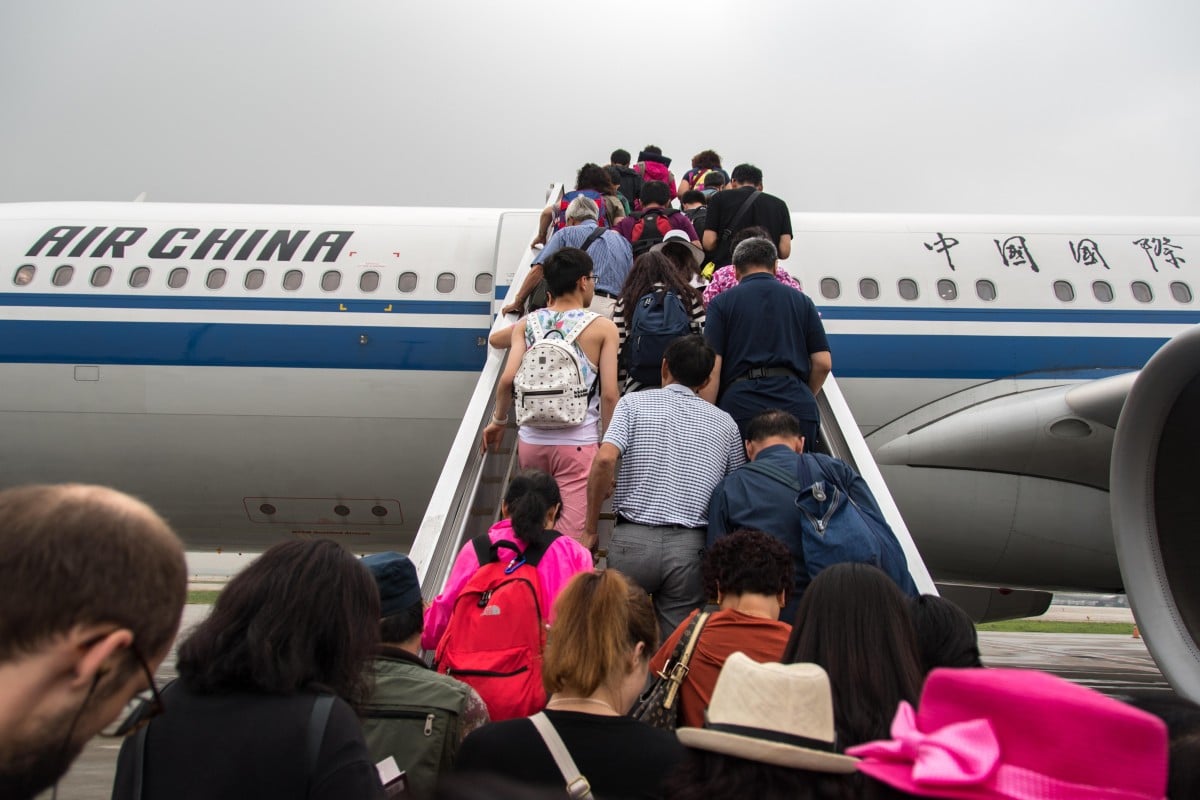
Air rage – or “unruly passenger behaviour”, in the experts’ terminology – manifests differently in Asian and Western travellers, while Chinese air rage may be a genre all of its own. That’s according to a co-author of a report by the School of Hotel and Tourism Management at Hong Kong Polytechnic University.
“In general, Asian societies are more [well] behaved, based on common Confucian values. The threshold towards misbehaving is higher, as [is] the tolerance of discomfort,” says Markus Schuckert, assistant professor at the school and an expert in tourism transport.
Media reports of in-flight brawls, scuffles, abusive behaviour and drunken, foul-mouthed rants are increasingly doing the rounds of social media, often accompanied by grainy mobile phone footage of the unsavoury incident.
In January this year, a passenger recorded video of a shirtless Australian sparking a mid-air brawl on a Singapore-bound Scoot airlines flight from the Gold Coast. The unnamed man, described by authorities as “a disruptive male”, was arrested after the plane was forced to make an emergency landing in Sydney.
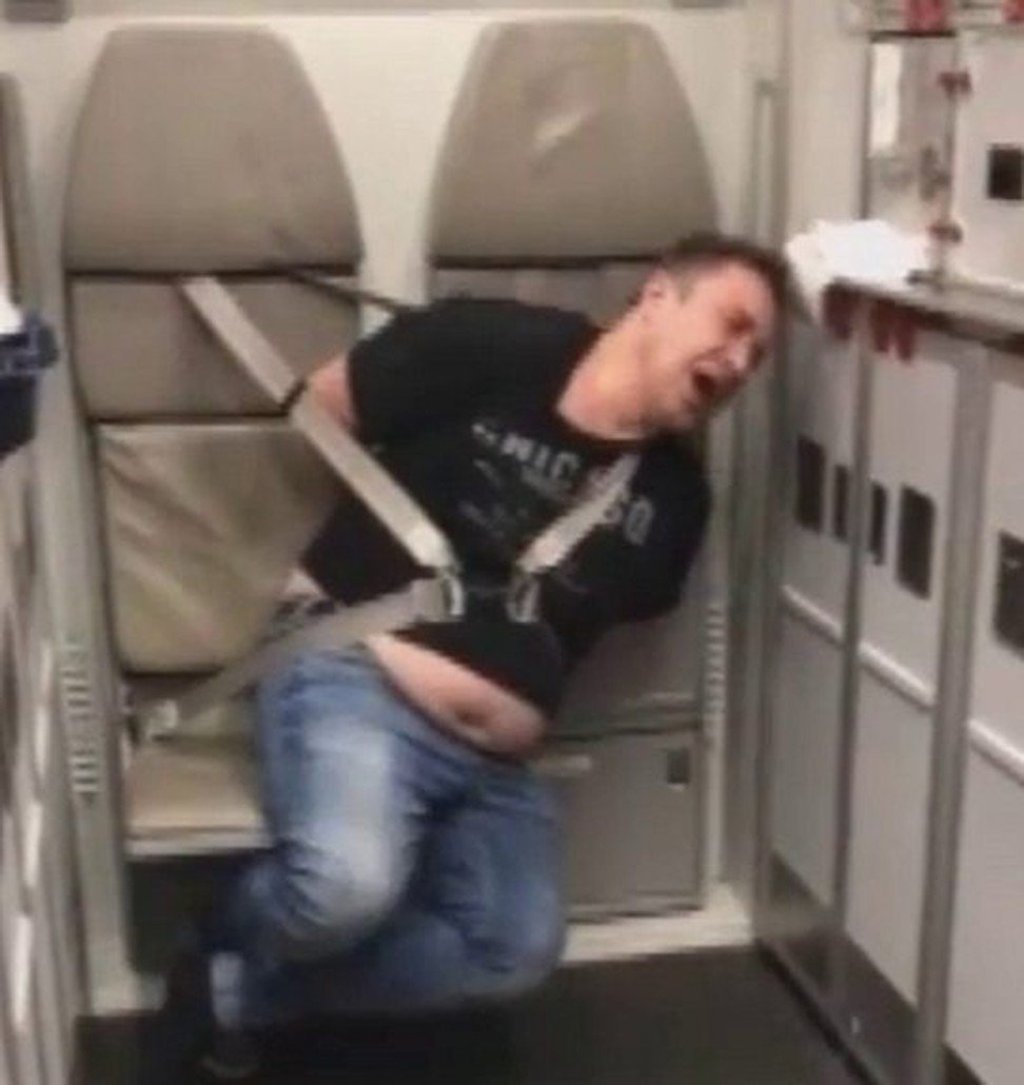
In April, passengers overpowered an inebriated Russian doctor and tied him up to prevent him from opening the emergency exit door at 33,000 feet (10,000 metres) on an Aeroflot flight from Bangkok to Moscow. Reports indicate that the 43-year-old anaesthetist, Vadim Bondar, had been drinking rum on the 10-hour flight before becoming violent and incoherent.