Four historic sites in Guangzhou that keep the spirit of old Canton alive
- Historic port on old maritime Silk Road was famed for its exports of Chinese tea, silk and ceramics – and reminders of that time still exist
- New high-speed rail link means China’s third city is less than an hour’s travel from Hong Kong, and more convenient than ever to visit

“Of all the places I have seen, Canton is the most overwhelmingly interesting, fascinating and startling. ‘See Canton and die’ I would almost say,” wrote the British explorer and travel writer Isabella Bird, in the 1870s.
The high-speed railway from Hong Kong makes Guangzhou, China’s third city, less than one hour’s travel from Kowloon station, so exploring what remains of old Canton, the historic port on the old maritime Silk Road, is more convenient than ever.
While most Chinese cities have polished, preserved and transformed their old quarters into fashionable heritage zones over recent years, Guangzhou has invested in modernist statement architecture, like the striking Guangzhou opera house, designed by the late Iraqi-British architect Zaha Hadid. It can be challenging to search for remnants of the old city which early Western traders dubbed Canton. The city has been accused of ripping down heritage buildings and turning its back on two millennia of Chinese history.
“Canton played a highly significant role in the development of trade and commerce between China and the rest of the world from the Han dynasty onwards,” says Libby Chan Lai-pik, assistant director of the Hong Kong Maritime Museum.
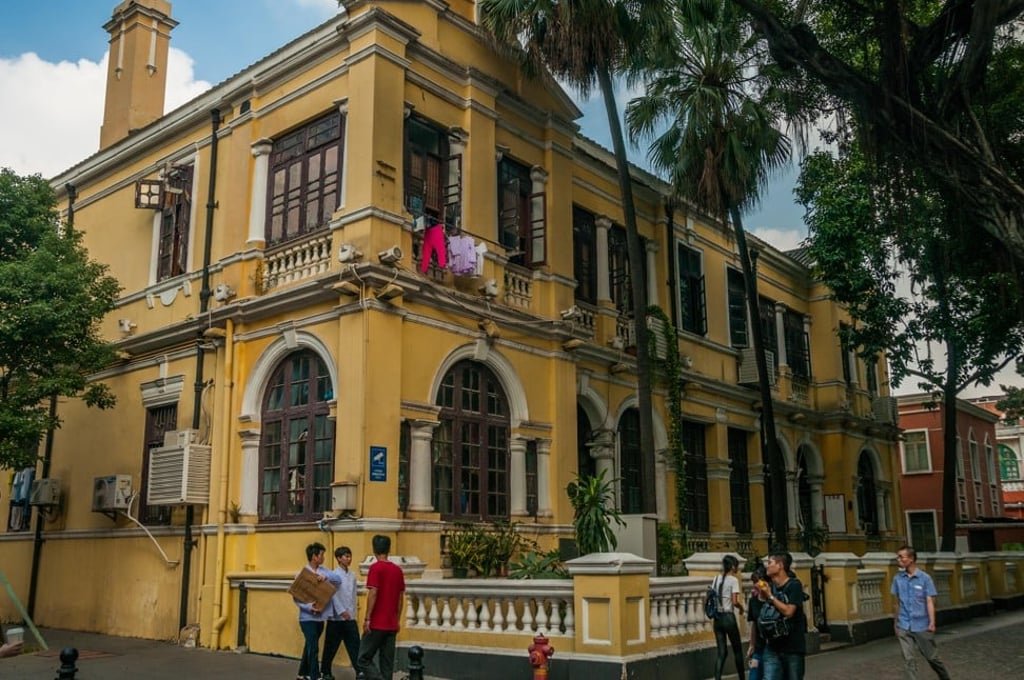
With a little effort, though, visitors will be rewarded with a glimpses of Guangzhou’s rich cultural heritage and its role as arguably the most important market on the maritime Silk Road and the principal source of much coveted Chinese tea, silk and export ceramics. When the Portuguese became the first Europeans to visit the city in 1517, they could hardly claim to have discovered it.
“We now know more from the archaeological evidence such as imported Islamic glasses, African pottery figurines, or the Persian style silver box in the tomb of the King Nanyue. All of these multicultural artefacts demonstrate an active sea trade between Canton and the rest of the world since the 1st century BC,” says Chan.