Sexual harassment on public transport: the worst place for it, and how cities around the world are combating the menace of predatory men
- In London, where reports of sexual harassment on the Underground have soared by 42 per cent in four years, covert police patrols aim to catch men in the act
- Other cities have launched apps to alert transport users and report abusers, or deployed women-only train carriages and buses
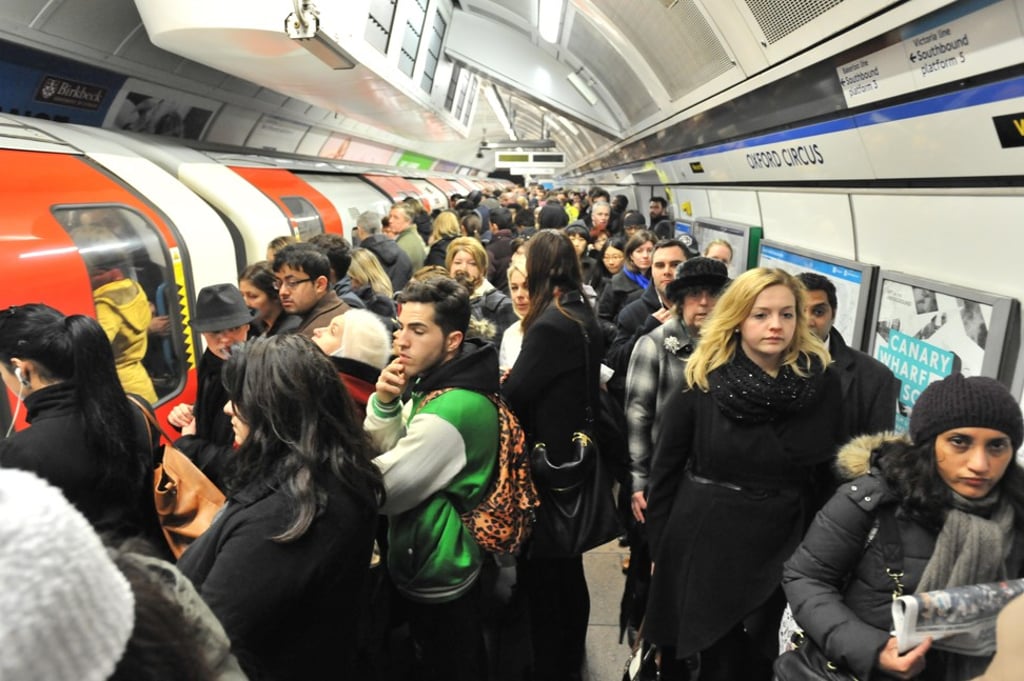
It’s 8am at the Oxford Circus subway station in London and the Central line platforms are teeming with people. Stony-faced business types, rucksack-touting tourists and yawning schoolchildren jostle for space in the rush-hour crush.
But among the crowds of commuters is another group waiting to board the train – a covert patrol of plain-clothed police officers looking to catch sexual predators in the act.
“We know that offenders in every city will target public transport systems as a place to commit offences because of the opportunity it provides,” says Mandy McGregor, head of policing and community safety for Transport for London, which is deploying the undercover officers as part of its Project Guardian scheme.
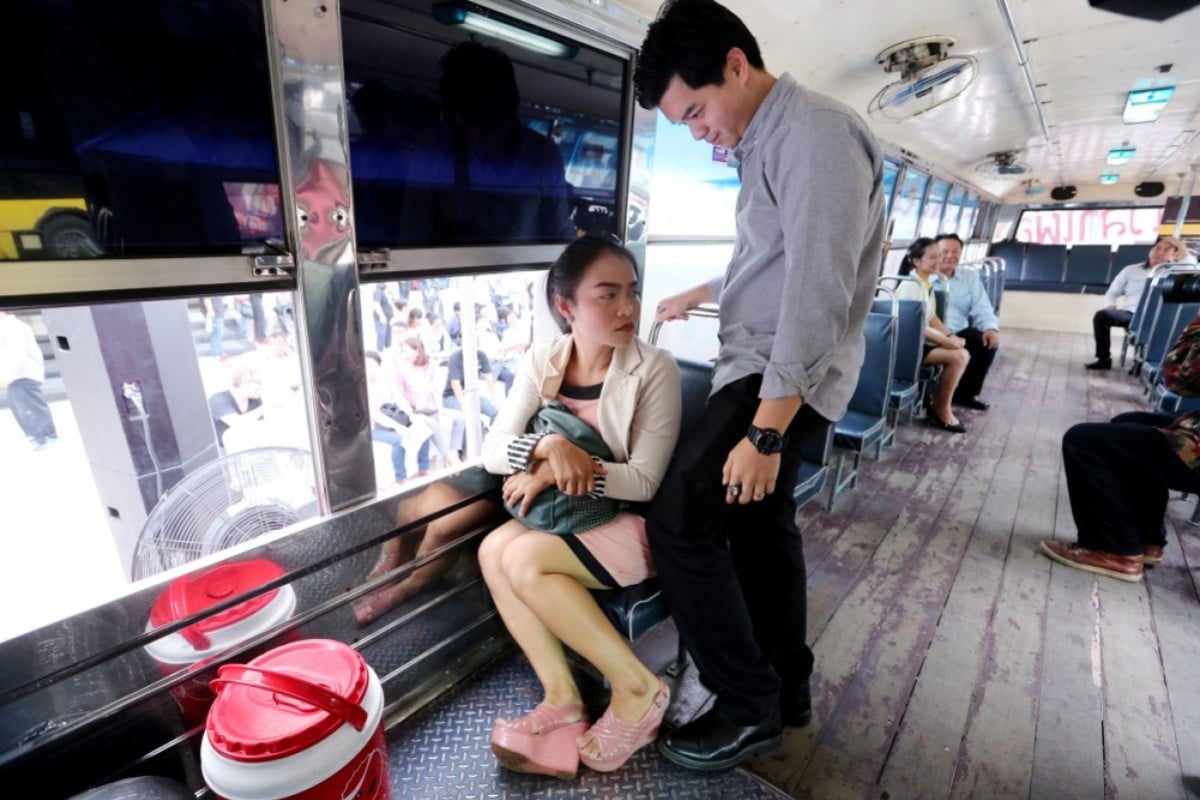
McGregor adds: “Crowded trains allow offenders to evade detection as they can claim it was accidental or a result of the movement of a vehicle. Women may not know who has assaulted them, particularly during rush hour, and may not react because they are trapped or feel embarrassed to say anything. Groping or touching is the most prevalent offence reported, but we’re also seeing relatively new offences such as upskirting and viewing pornography while on public transport.”